
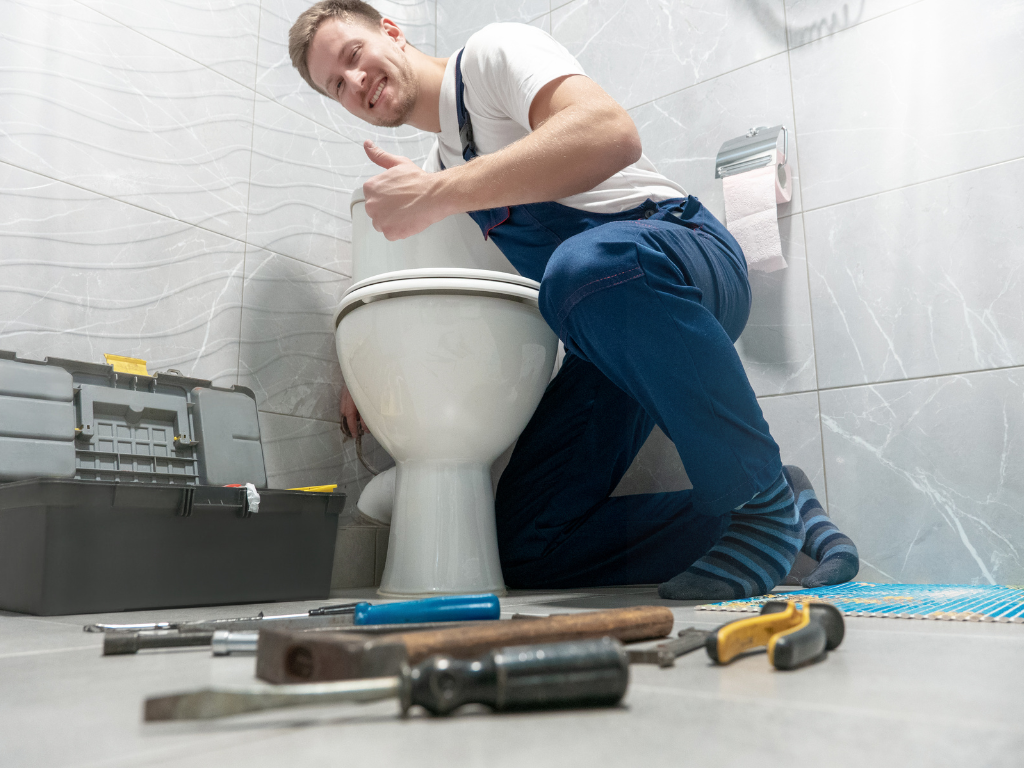

If you are searching for toilet repair Singapore, you are usually dealing with one of four problems: a weak or faulty flush, a toilet that keeps running, water leaking around the base, or a bowl that has become loose, cracked, or unreliable. This blog will walk you through which toilet issues are worth repairing, when replacement is the smarter option, and what homeowners in Singapore should look out for before the damage spreads.
Why toilet problems should not be left alone
A toilet fault looks small until it starts affecting water bills, bathroom flooring, neighbouring units, or the subfloor below the bowl. In Singapore homes, flushing remains one of the largest water using activities, according to PUB’s latest household water consumption study from 2024 to 2025. That is why a running toilet or faulty flush valve is not just an annoyance. It is wasted water every single day.
For homeowners, tenants, landlords, and property managers, the real decision is rarely “repair or ignore.” The real decision is whether the problem still sits in a replaceable toilet part, or whether the bowl, seal, mounting, or surrounding condition has already moved the job into replacement territory.
If the issue is already affecting daily use, the most direct starting point is toilet bowl repair and installation in Singapore, because that service scope covers both small rectification work and full toilet bowl replacement where needed.
What does toilet repair actually include?
A proper toilet repair job is not one generic service. The failure point matters.
Toilet flush repair
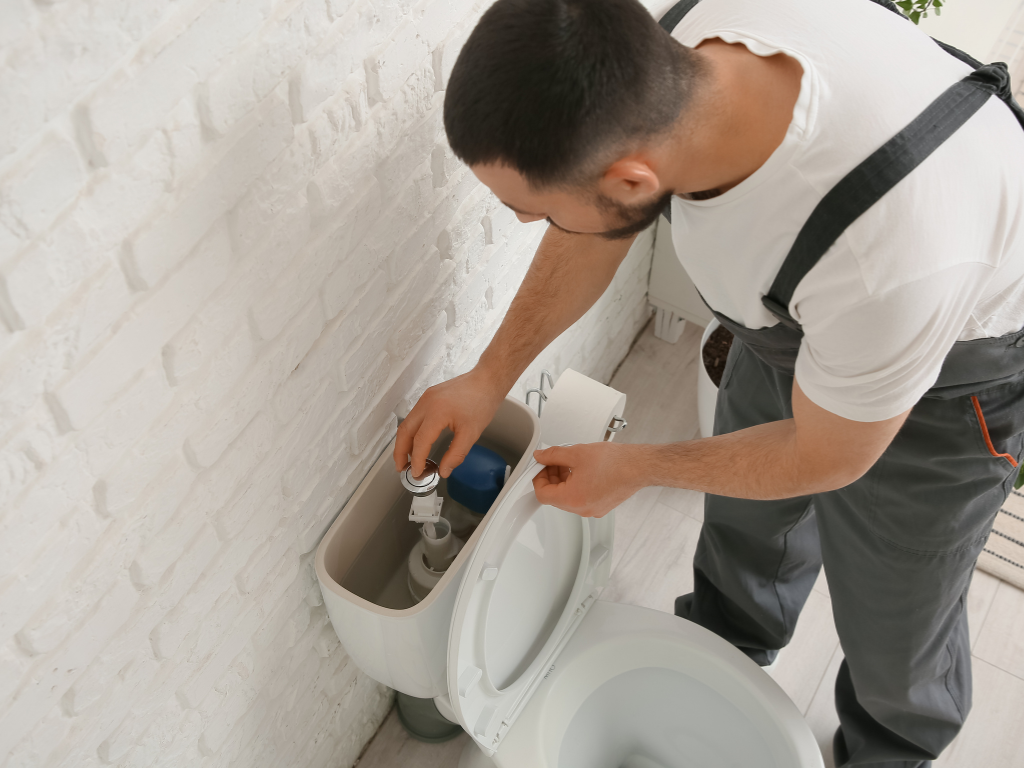
A flush problem usually comes from the cistern components, not the bowl itself. Common faults include a worn flush valve, damaged fill valve, weak push button assembly, misaligned flush linkage, or internal rubber parts that no longer seal properly.
In real homes, this shows up as:
- a weak flush
- a flush button that sticks
- water that keeps running into the bowl
- a cistern that refills too slowly
- a flush that works only on the second or third press
When the bowl is still stable and uncracked, toilet flush repair Singapore is usually a parts and calibration job. A plumber or repair technician checks the valve set, the water level, the internal seal, the push mechanism, and whether the existing cistern model still has compatible parts. If it does, repair often makes financial sense.
Seal and base leak repair
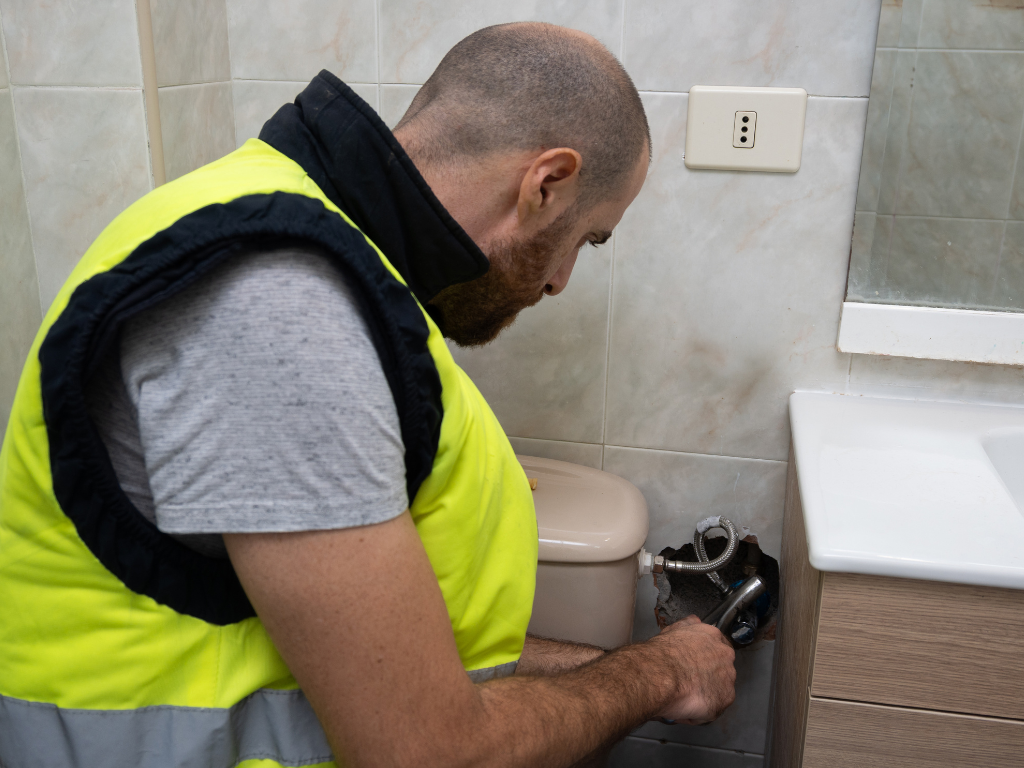
A leaking toilet does not always leak from the cistern. One of the most common residential complaints is water appearing around the toilet base. That usually points to one of three things: a failed waxless or rubber seal, loose mounting bolts, or movement in the bowl position that has broken the seal over time.
This is where diagnosis matters. If the floor is wet only after flushing, the issue may be at the waste connection. If the floor stays wet even without flushing, the source may be a supply hose, angle valve, condensation, nearby floor trap issue, or another plumbing leak in the bathroom.
For related bathroom leak issues that extend beyond the toilet fitting itself, water leak repair in Singapore is the more appropriate internal page to review.
Bowl stabilisation and hardware replacement
A loose toilet bowl is never “normal settling.” A toilet should sit firmly on the finished floor without rocking. Once it starts moving, the seal below is at risk, and every flush increases the chance of leakage or worsening instability.
In some cases, the bowl can be removed, the fixing hardware replaced, the outlet reseated, and the toilet reinstalled securely. In other cases, the ceramic has hairline damage, the mounting points are compromised, or the toilet has simply reached the point where repair becomes poor value.
When should you repair the flush instead of replacing the whole toilet?
This is the question most homeowners ask, and the answer is usually straightforward.
Repair makes sense when the bowl is still sound
If the ceramic bowl is intact, the base is stable, and the issue sits inside the cistern, repair is usually the right call. A faulty flush valve, fill valve, inlet hose, push button, or rubber seal does not justify a full toilet bowl replacement on its own.
This is common in HDB flats and condos where the toilet body itself is still serviceable, but the internal flushing components are worn out from repeated daily use. Since flushing is a major part of household water consumption, even a small valve failure can lead to quiet but persistent wastage. PUB also recommends water saving measures for older cistern setups, especially for households using less efficient flushing systems bought before newer WELS benchmarks became common.
Repair also makes sense when the leak is localised
If the leak comes from a connector hose, stop valve, cistern seal, or flush outlet gasket, the fix is usually targeted and cost effective. The key point is containment. Once the problem is isolated to a replaceable component, repair is usually faster and cheaper than changing the whole unit.
This is also the stage where homeowners often delay too long. A small leak from the cistern base or inlet point can drip behind the bowl, stain the floor, and create confusion about whether the toilet base is failing. If the source is identified early, the solution is much simpler.
When does replacement make more sense?
Replace the toilet when the bowl is cracked or structurally unsound
Ceramic cracks are not a cosmetic issue in a high use bathroom fixture. Even if the toilet still flushes, a cracked bowl or cracked cistern can worsen under load or with repeated flushing pressure. Once the ceramic body is compromised, replacement is the safer and more durable decision.
Replace it when the bowl keeps shifting or the seal keeps failing
A worn rubber seal can be replaced. A toilet that has already been reseated but still rocks, leaks, or shifts is different. That usually points to either floor level issues, mounting wear, outlet alignment problems, or deterioration around the installation point.
At that stage, keeping the old bowl often means paying twice. The labour goes into lifting, reseating, testing, and returning later when the problem comes back. In practical residential work, recurring base leaks are one of the strongest signals that replacement should be considered seriously.
Replace it when parts are obsolete or repair is no longer clean
Older toilet models can become awkward to maintain because compatible flush valves, push buttons, or cistern fittings are no longer easy to source. Even if a technician can improvise a workaround, that does not always produce a reliable outcome.
A newer replacement bowl with a compatible cistern and water efficient flush system is often the cleaner long term choice. PUB’s WELS framework exists precisely because toilet flush performance and water efficiency differ meaningfully across products.
How to tell what has actually failed
A running toilet
A running toilet usually points to the cistern internals. The most common causes are a faulty flush valve seal, incorrect water level, worn fill valve, or flushing mechanism that no longer resets properly after use.
If the bowl is sound and the problem is internal, this is usually a repair job.
Water around the toilet base
A leaking toilet base is more serious because it can involve the outlet connection below the bowl. If the water appears mainly after flushing, the base seal is a prime suspect. If the toilet also rocks slightly, that strengthens the case.
If the bowl has already loosened, or if there is recurring leakage despite previous repair, replacement starts making more sense than another patch.
A weak flush
A weak flush may come from low cistern fill volume, partial blockage in the rim jets, scale buildup, poor valve action, or a failing dual flush mechanism. This usually does not require a new toilet unless the model is outdated, performance has been poor for years, or replacement parts are no longer practical to source.
A loose toilet bowl
A loose bowl is never something to watch and wait. It usually means the fasteners, base support, seal, or the toilet’s sitting position has been compromised. This is one of the clearest cases where immediate assessment matters, because the longer it moves, the higher the risk of leakage into the floor junction.
What matters in HDB, condo, and landed homes
The toilet problem may look the same, but the repair context changes by home type.
HDB flats
In HDB homes, bathroom repairs often need more care because owners must distinguish between a fitting issue, a sanitary pipe issue, and a broader bathroom defect. HDB’s Home Care Guide specifically addresses clogged or leaking pipes and makes clear that owners are responsible for maintenance within the flat, while responsibility can differ for main sanitary pipes. HDB also maintains renovation rules tied to water and sanitary plumbing works.
That matters because a toilet base leak may be a fitting problem, but persistent seepage affecting adjacent areas can sometimes signal something beyond the toilet itself.
Condominiums
In condos, access, management coordination, and neighbour impact tend to matter more. A base leak or overflowing cistern can quickly become an issue if the downstairs unit reports staining or dampness. The repair decision still depends on the toilet’s actual condition, but the cost of delay is often higher.
Landed homes
In landed houses, the issue is often less about shared walls or immediate downstairs complaints, and more about age of fittings and maintenance history. Older landed bathrooms may have toilets that are technically repairable but no longer economical to keep servicing.
Do you need a licensed plumber for toilet repair?
PUB states that all regulated water service and sanitary plumbing works must be carried out by Licensed Plumbers, except for simple plumbing works that handymen can handle. That distinction matters in bathroom repairs. A straightforward toilet flush repair or fitting replacement is not the same as regulated sanitary plumbing alteration.
For homeowners, the practical takeaway is simple. If the job is a straightforward toilet repair within the fixture itself, it may fall under simple repair scope. If the problem affects regulated plumbing works, sanitary pipe alteration, or the repair is no longer just a fixture issue, it needs the appropriate licensed professional.
How much does toilet repair cost compared with replacement?
The wrong way to think about cost is “repair cheap, replacement expensive.” Real pricing depends on what failed.
A flush valve replacement, cistern seal change, or hose replacement is usually a targeted job. A leaking toilet base is different because the bowl may need to be removed and reinstalled. Full replacement adds removal, disposal, new installation, alignment, sealing, testing, and the new toilet set itself.
The smarter comparison is this: how much labour and risk are you paying for to keep the current toilet going? If the bowl is old, unstable, and repeatedly leaking, replacement often gives better value than serial repairs. If the bowl is in good shape and the problem is in the flush mechanism, repair is usually the better spend.
What Fix It Papa’s service positioning means for homeowners
Fix It Papa’s advantage sits in the real household repair zone: fast residential diagnosis, practical workmanship, and transparent scope for HDB flats, condos, and landed homes across Singapore. That matters for toilet problems because homeowners often do not know whether they are looking at a flush mechanism fault, a worn base seal, or a toilet that has reached replacement stage.
A good service team should not force every job into full replacement. It should also not pretend every unstable, leaking toilet can be saved cheaply. The right call depends on the condition of the bowl, the source of the leak, part availability, and whether the fix will still hold six months later.
Conclusion
Toilet repair makes sense when the problem sits in the flush, seal, connector, or cistern hardware and the bowl is still solid. Replacement makes more sense when the bowl is cracked, loose, repeatedly leaking at the base, or no longer worth maintaining.
If your toilet is running, leaking, wobbling, or failing to flush properly, contact Fix It Papa early so the job can be diagnosed properly before it turns into a larger bathroom repair.
FAQs About Toilet Repair Singapore
How do I know if I need toilet repair or full replacement?
If the bowl is intact and the problem is limited to the flush valve, fill valve, hose, or seal, repair is usually enough. If the toilet bowl is cracked, loose, or keeps leaking from the base, replacement is often the better long term option.
Can a leaking toilet base be repaired?
Yes, if the issue is a worn base seal or loose mounting and the toilet bowl is still stable. If the bowl rocks, leaks repeatedly, or has already damaged the mounting condition, replacement may make more sense.
Why does my toilet keep running after flushing?
A running toilet usually points to a faulty flush valve seal, fill valve issue, or incorrect cistern water level. In Singapore homes, this matters because flushing is still one of the biggest household water use categories.
Do I need a licensed plumber for toilet repair in Singapore?
Simple fixture repairs may not require regulated plumbing work, but PUB states regulated water service and sanitary plumbing works must be done by Licensed Plumbers. The right professional depends on the job scope.
Is toilet bowl replacement worth it for an old bathroom?
Usually yes, if parts are obsolete, the bowl is unstable, or repairs keep recurring. A newer toilet can also align better with PUB’s WELS efficiency framework, which matters for long term water use.
Leave a Reply
You must be logged in to post a comment.