
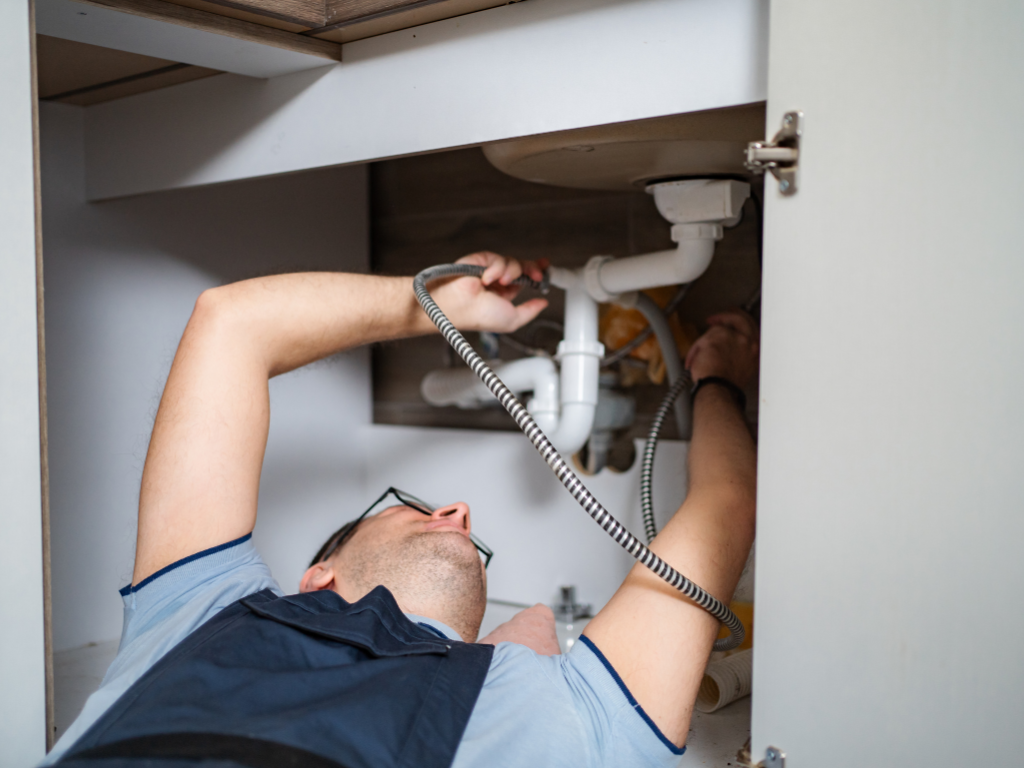

A sink pipe leak repair Singapore call usually starts with a small puddle under the cabinet, a damp smell, or swollen board below the basin. This blog will walk you through why leaks happen under kitchen and bathroom sinks, what homeowners should check first, and when a minor residential leak is still a simple repair versus a sign of a bigger plumbing problem.
Why under-sink leaks get worse faster than people expect
A leak below the sink often stays hidden longer than a leaking tap or dripping shower point. Water collects inside a cabinet, so the first visible signs are usually secondary damage: warped laminates, darkened cabinet edges, peeling backing board, or a stale smell that lingers even after wiping the area dry.
That matters in Singapore homes because kitchen use, bathroom basin use, and flushing still make up a large share of household water activity. PUB’s 2024 to 2025 household water study shows showering, flushing, kitchen use, and laundry together account for about 80% of home water use, which is why small leaks around commonly used fixtures add up quickly if they are ignored.
For homeowners, tenants, and landlords, the practical question is not whether water under the sink is “serious enough yet.” The better question is where the leak is coming from, because a loose bottle trap joint is one repair path, while a failed shut off valve, damaged flexible hose, or hidden wall-side pipe leak is another. If the problem is already active, water leak repair in Singapore is the most relevant starting point because it covers household leak diagnosis across kitchen and bathroom fixtures.

What usually leaks under a sink?
Bottle trap leak
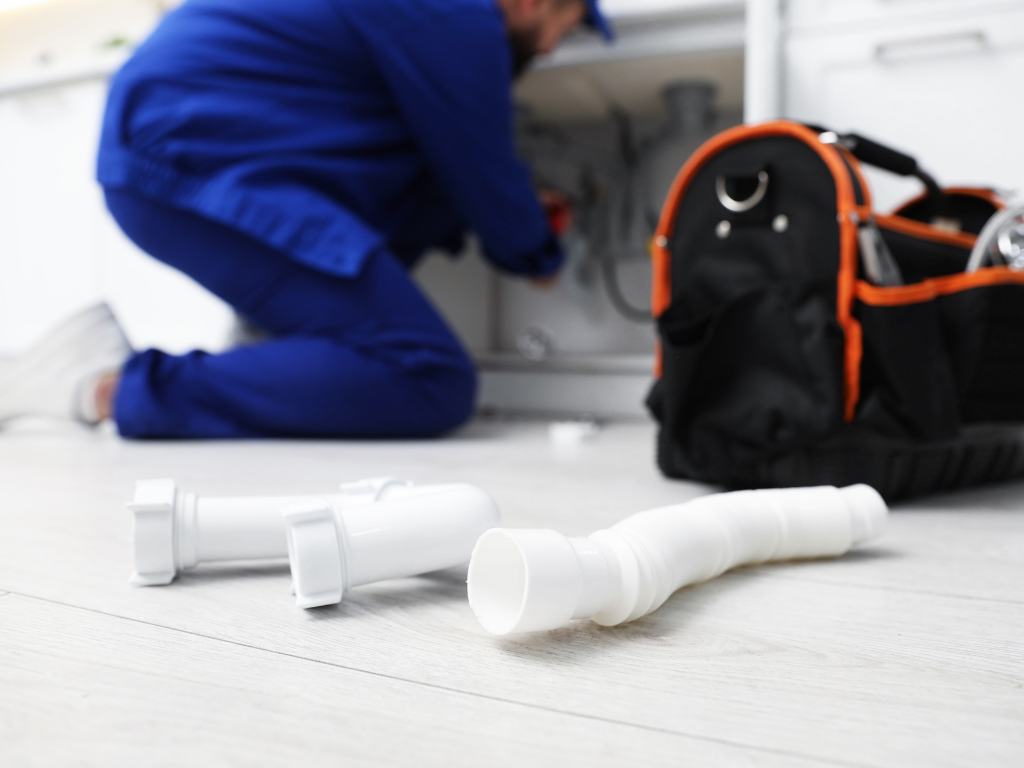
The bottle trap sits below the basin and holds a small amount of water to block foul smells from the waste pipe. In daily residential use, it is one of the most common sources of a bathroom sink pipe leak or kitchen basin leak because the joints can loosen, the plastic can age, or the washer can deform after years of use.
When the bottle trap is the issue, the leak usually appears during or shortly after water use. You turn on the tap, then see dripping from the trap body or from one of the slip joints below it. This is often repairable without major work if the fitting is still in good condition and the leak has not already damaged surrounding cabinet parts.
Flexible hose leak
Flexible hoses connect the shut off valve to the tap or mixer. These hoses work hard and quietly age in the background. Over time, the inner lining can fail, the braided outer layer can corrode, or the connector ends can start seeping. When that happens, the water under the sink is usually clean, steady, and often appears even when the drain is not in use.
This kind of leak matters because it is a pressure-side leak, not just drainage runoff. Left alone, it can go from a small seep to a burst hose event. That is one reason a supposedly minor under sink pipe leak Singapore issue should be checked early instead of monitored casually.
Shut off valve seepage
The shut off valve, also called the stop valve or angle valve in many homes, controls the water supply to the basin or sink tap. A worn valve spindle, aged seal, or loose connection can create slow seepage around the valve body or at the connector joint.
This often fools homeowners because the dripping point is not always directly below the valve. Water follows the pipe, runs along the wall side, or collects at the cabinet base before it becomes visible. If the leak appears even when the basin is not draining, the shut off valve is one of the first points worth checking.
Waste pipe or sink joint leak
The sink outlet, tailpiece, and waste pipe connections can also fail. In kitchen sinks, this often happens where repeated use, vibration, cleaning, or accidental knocks loosen the joint. In bathroom sinks, the issue may show up at the basin waste fitting or connecting pipe below the trap.
The pattern here is different. A waste-side leak usually appears only when water is running through the basin. A pressure-side leak can continue even when the sink is untouched.
What should homeowners check first?
Check whether the leak happens only during water use
This is the fastest way to narrow the issue. If water appears only when the tap is on or the sink is draining, the problem is likely on the drainage side: the bottle trap, sink waste, or connecting waste pipe. If the cabinet stays wet even when nobody is using the sink, the leak may be coming from the shut off valve, flexible hose, or another supply-side point.
That simple distinction saves time and helps explain the fault clearly when you call for help.
Check whether the water is pooling directly below the trap or closer to the wall
If the water is pooling directly under the trap, the bottle trap or waste connection becomes the main suspect. If the water seems to start near the wall side or valve location, the leak may be in the supply connection or a hidden pipe junction.
In real residential work, homeowners often focus on the wettest spot instead of the highest spot where the leak begins. Under-sink repairs get easier once you trace the path upward.
Check for cabinet swelling or long-term dampness
Not every under-sink leak is new. If the chipboard base feels soft, the laminate is lifting, or the cabinet smells musty, the leak may have been ongoing for some time. At that point, the plumbing repair itself may still be straightforward, but the cabinet has already started taking damage.
This is where early action matters. A minor residential leak is cheaper to fix than a plumbing issue plus cabinet repair plus mould cleanup.
Check whether the leak is isolated or linked to slow drainage
If the sink also drains slowly, there may be a second issue involving partial choke or poor flow through the waste line. Under-sink leaks and drain problems sometimes appear together because a partially blocked line increases the amount of water sitting in or stressing the trap assembly.
For homeowners dealing with both leakage and drainage problems, drain choke and clog clearing in Singapore is worth reviewing because kitchen sink clogs and basin waste flow problems often overlap with trap-related leaks.
Why kitchen sink leaks and bathroom sink leaks are not always the same
Kitchen sink leak repair Singapore cases
Kitchen sinks deal with heavier daily use, grease residue, food particles, stronger temperature changes, and more aggressive cleaning. That makes the sink waste, bottle trap, and connecting joints more vulnerable to loosening or wear over time. A kitchen sink also usually sits inside a cabinet with more stored items, so leaks stay hidden longer.
The practical result is that kitchen sink leak repair Singapore jobs often involve both leak rectification and cleanup of secondary cabinet damage. A leak that starts as a minor drip from the waste connection can end up damaging the cabinet base, nearby cleaning supplies, and even lower shelf supports if left alone.
Bathroom sink pipe leak Singapore cases
Bathroom basin leaks tend to be smaller in volume but easier to overlook. The cabinet or pedestal area is often used less intensively than a kitchen base cabinet, so a slow drip can continue for weeks before anyone checks it closely. Bathroom sink pipe leak Singapore jobs also more commonly involve bottle trap joints, basin waste fittings, or angle valves with signs of age and mineral buildup.
Because bathrooms are wet spaces already, people sometimes misread a localized plumbing leak as ordinary moisture. That delay is what turns a clean, contained fix into a bigger maintenance issue.
When is it a simple repair, and when is it not?
Usually a straightforward repair
A sink leak is usually a simple repair when the issue is limited to:
- a loose trap joint
- a worn trap washer
- a damaged flexible hose
- a leaking shut off valve
- a basin waste fitting that needs reseating or replacement
These are typical household plumbing faults. The repair logic is direct: isolate the water source, confirm the leaking point, replace the failed component, test under flow, and make sure the area dries out properly afterward.
No longer a minor repair
It stops being a simple repair when the leak points to a bigger condition issue. That includes hidden wall-side leakage, recurring seepage despite past tightening or replacement, extensive cabinet rot, or signs that the pipe behind the sink is part of the problem rather than the fitting below it.
In HDB flats, this distinction matters because branch pipes and accessible fittings within the flat are one kind of maintenance issue, while broader pipe responsibility depends on where the defective section sits. HDB’s Home Care Guide on pipes specifically advises owners on fixing clogged or leaking pipes and distinguishes owner-side maintenance from main sanitary pipe responsibilities.
Do you need a licensed plumber for an under-sink leak?
PUB states that all regulated water service and sanitary plumbing works must be carried out by Licensed Plumbers, except for simple plumbing works that can be done by handymen. PUB also makes clear that regulated works include laying, altering, repairing, or replacing parts of the drinking water supply system and sanitary plumbing system, while some simple fitting-level tasks fall outside that higher regulatory threshold.
For homeowners, the practical takeaway is simple. A leaking flexible hose, shut off valve, bottle trap, or basin waste fitting is often still in the zone of straightforward residential repair. Once the issue moves into hidden pipe sections, regulated plumbing alterations, or sanitary pipe changes, the job needs the right licensed scope.
That is why finding reliable plumbers near me in Singapore is a useful supporting read when the fault no longer looks like a simple fitting leak.
Why waiting usually costs more
People delay under-sink leaks because the water is hidden and the home still seems usable. That logic fails fast once cabinet panels start swelling. Most under-sink baseboards and cabinet floors are not built to tolerate repeated moisture. Once water gets trapped there, repair costs move beyond plumbing.
This is also where utility cost starts to matter. Singapore’s household water use remains a national concern, with PUB and public reporting continuing to focus on conservation and lower daily consumption targets. Even when the leak looks minor, wasted water and preventable damage are both real costs.
What Fix It Papa’s service positioning means here
Fix It Papa is strongest where real homeowners need quick, practical help for everyday residential faults. Under-sink leaks fit that service profile exactly. The company’s plumbing scope already covers water leak repair, toilet repair, drain choke clearing, and related household maintenance work across HDB flats, condos, and landed homes.
The value is not just speed. It is knowing whether the leak is a bottle trap issue, a hose issue, a shut off valve issue, or the first visible symptom of a deeper plumbing fault. That difference is what turns a generic callout into a proper diagnosis.
Conclusion
Water under the sink usually starts with a small failure point: a bottle trap leak, a worn hose, a seeping shut off valve, or a loosened waste connection. The longer it sits, the less it stays a plumbing-only problem.
If you have water pooling under a kitchen or bathroom sink, get it checked early so the repair stays limited to the leak, not the cabinet, fittings, and surrounding finishes.
FAQs About Sink Pipe Leak Repair ingapore
What causes water pooling under a sink in Singapore homes?
The most common causes are a bottle trap leak, flexible hose leak, shut off valve seepage, or a loosened waste pipe joint. In kitchens, food residue and repeated use can stress the trap and waste fittings faster.
Is an under sink pipe leak in Singapore considered urgent?
Yes, because even a slow leak can damage the cabinet base, cause damp smells, and worsen without warning. Pressure-side leaks from a hose or shut off valve are especially important to fix early.
How do I know if the bottle trap is leaking?
A bottle trap leak usually appears when the basin is draining. Run water and check whether dripping starts from the trap body or from the slip joints directly below the sink outlet.
Can a bathroom sink pipe leak damage the vanity cabinet?
Yes. Bathroom sink pipe leaks often start small, but repeated moisture can swell cabinet board, stain finishes, and create long-term dampness inside the vanity.
Do I need a licensed plumber for a sink leak?
PUB says regulated water service and sanitary plumbing works must be done by Licensed Plumbers, while simple plumbing works may be handled separately. It depends on whether the leak is a simple fitting-level repair or a regulated plumbing issue.
Leave a Reply
You must be logged in to post a comment.