
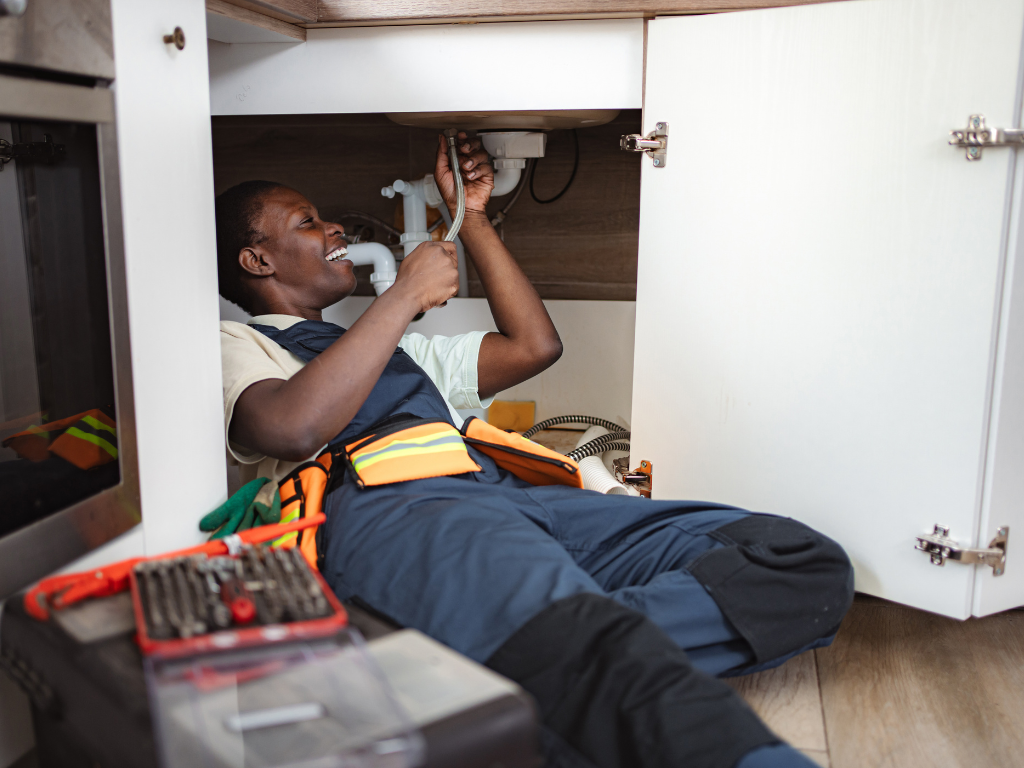

When people search for a plumber Singapore, they are usually not looking for theory. They want to know who can fix the issue, whether it is urgent, and what kind of work is normal for their home type. This blog will walk you through what a residential plumber actually fixes in HDB, condo, and landed homes, and when it makes sense to call a specialist instead of waiting.
What does a residential plumber in Singapore actually do?
A residential plumber handles the water-related repair work that keeps a home usable day to day. In practical terms, that usually means leak detection, leaking tap repair, toilet repair, pipe leak repair, floor trap choke clearing, sink waste pipe replacement, bidet spray issues, water heater connections, flexible hose replacement, and replacement of worn fittings such as angle valves, flush mechanisms, bottle traps, and sealants around sanitary fixtures. For a company like Fix It Papa, the service scope is built around common household breakdowns rather than large commercial pipe systems or major mechanical installations.
In Singapore homes, the problems are often small at first and expensive later. A tap that drips all night, a concealed pipe joint that seeps behind a cabinet, or a toilet that keeps running after every flush may not look dramatic on day one. Over time, these defects waste water, stain finishes, damage carpentry, and trigger complaints from neighbours downstairs. PUB’s latest household study shows that showering, flushing, kitchen use, and laundry still make up about 80% of household water consumption, so the fixtures that fail most often are also the fixtures people use most.
That is why most homeowners do not need a vague “plumbing contractor.” They need someone who can diagnose the source properly, carry the right small parts, and finish the repair in one visit where possible.
The repairs homeowners call for most often
Leaking tap and mixer issues
A leaking tap is one of the most common residential plumbing issues in Singapore. In HDB flats and condos, it is often caused by worn cartridges, damaged washers, loose fittings, mineral buildup, or aged angle valves. The visible symptom is simple. The actual fix depends on the tap type, mounting condition, and whether replacement parts are still available.
A proper plumber does not just tighten the handle and leave. The real job is to isolate the correct valve, inspect the cartridge or spindle, test water pressure, and decide whether repair is economical or whether replacement is the better call.
Toilet bowl repair and flushing faults
Toilet problems are rarely just “toilet spoiled.” The issue may sit in the flush valve, inlet valve, fill mechanism, flush button linkage, outlet seal, bowl base seal, or connector hose. Common complaints include a toilet that keeps running, a weak flush, water pooling around the bowl base, a loose seat, or a cistern that fills too slowly.
In real homes, this matters because a toilet is a high-use fixture. PUB’s household data shows flushing remains one of the biggest sources of domestic water use, so a toilet that leaks internally can quietly waste a significant amount of water over time. If the problem is isolated to the bowl or cistern assembly, toilet bowl repair and installation is usually the right service route.
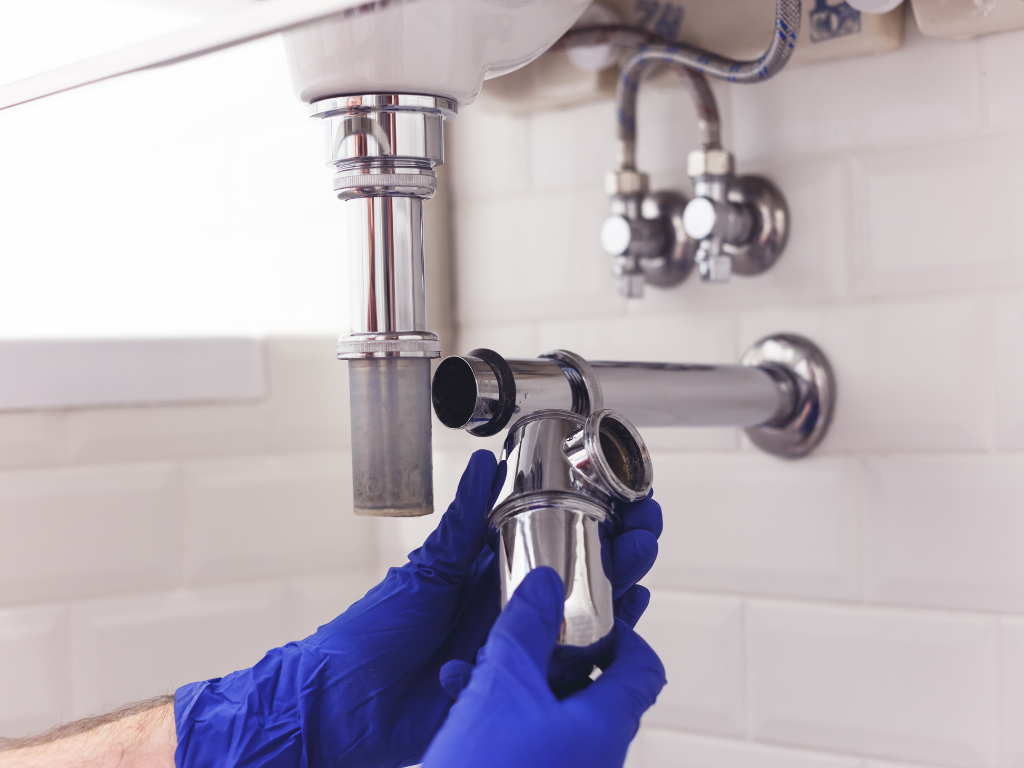
Sink pipe leaks and bottle trap failures
Kitchen and bathroom sink leaks often come from joints under the basin, not the basin itself. Bottle traps crack, flexible waste hoses loosen, silicone around sink edges fails, and connections shift after cabinet use or minor renovation works. In kitchens, grease buildup can hide the real source until the cabinet base starts swelling.
This is one area where homeowners often waste time. They see water below the sink and assume the tap is faulty. A good residential plumber checks the trap, tailpiece, basket strainer, hose condition, pipe slope, and signs of slow drainage before deciding what to replace. That is especially important in compact HDB and condo kitchens where a small leak can damage laminate and lower cabinets quickly.
Floor trap choke and slow drainage
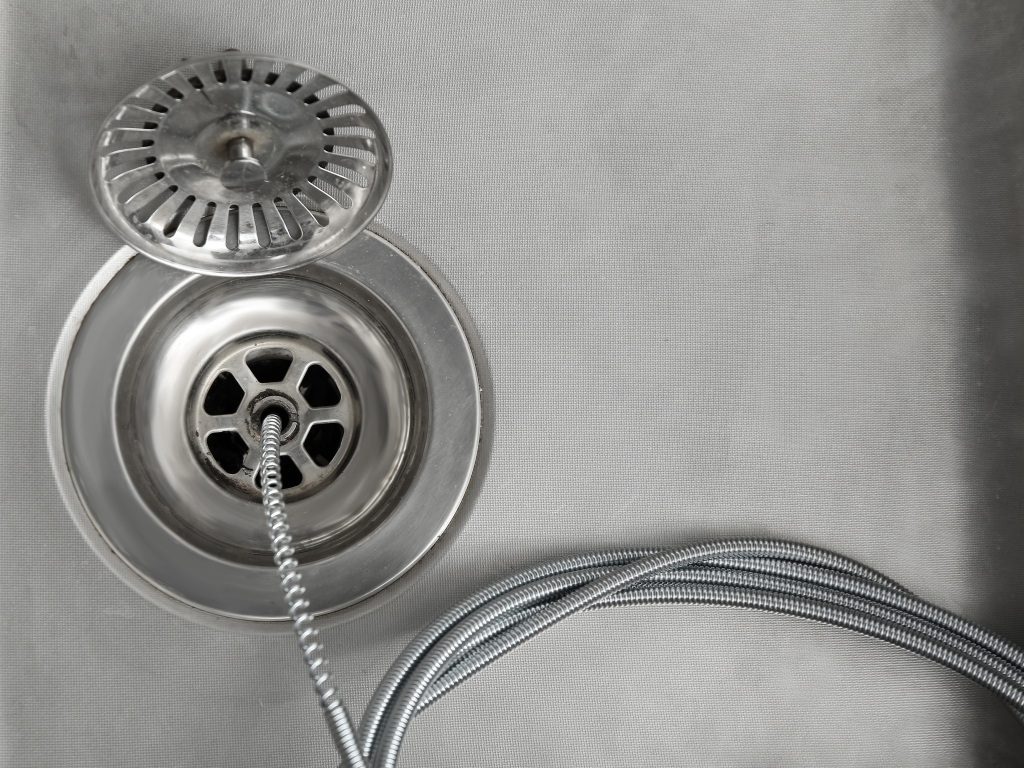
A floor trap choke is a classic Singapore home issue. Bathroom floor traps, shower outlets, and service yard drains collect hair, soap residue, sediment, and debris over time. If left alone, you get slow drainage, foul smells, and backflow during heavier water use.
In these cases, the actual fix may involve trap cleaning, mechanical clearing, partial waste pipe clearing, or checking whether the choke is localized or deeper in the branch line. For recurring bathroom or yard drainage issues, drain choke and clog clearing is the relevant internal service page. HDB also identifies floor traps and sanitary pipes as household maintenance issues owners need to watch closely, while main sanitary pipes fall under Town Council responsibility rather than the flat owner’s branch pipes.
Water heater connection and related plumbing faults
Not every water heater problem is electrical. Some are plumbing faults: leaking inlet and outlet points, worn connectors, dripping relief valves, loose stopcocks, or poor sealing at connection joints. Instant and storage heaters also differ in setup, so diagnosis has to match the actual unit in the home.
Where the issue sits at the water connection or heater plumbing point, the right page is water heater installation and repair. The mistake many owners make is assuming all heater issues need full replacement. Often the practical fix is smaller and cheaper if the unit itself is still sound.
What changes between HDB, condo, and landed homes?
HDB flats
For plumber for HDB flat Singapore queries, the main issue is not whether plumbers can do the work. It is whether the work affects regulated plumbing, existing waterproofing, or common infrastructure. HDB states that water and sanitary plumbing works are subject to renovation guidelines, and homeowners must follow the relevant requirements for sinks, wash basins, toilet pans, baths, showers, and piping works. HDB also keeps a 3 year restriction on removal of bathroom wall and floor finishes in newly built flats because of the waterproofing layer beneath. HDB renovation guidelines and building works rules make that clear.
In practical terms, HDB plumbing jobs are usually repair-led rather than hack-and-rebuild jobs. Tap replacement, toilet flush repair, exposed pipe fitting replacement, floor trap clearing, sink waste pipe repair, and sanitary fitting replacement are common. Once the issue touches concealed pipes, waterproofing failure, or neighbour-facing seepage, the job becomes more sensitive and diagnosis matters much more.
Condominiums
Condo plumbing repairs often look similar on the surface but come with more management-related coordination. Access timing, unit protection, noise control, and responsibility boundaries can matter more. A condo owner may still be responsible for internal plumbing faults inside the unit, but some leak complaints trigger MCST processes if common property or neighbouring units are affected.
The practical difference is this: condo jobs often need cleaner execution and clearer reporting. If a bathroom leak affects the unit below, you need to identify whether the cause is a fitting failure, a trap issue, a sanitary branch defect, failed sealant, or a waterproofing problem. The plumbing visit is not just repair work. It is also part of the evidence chain for what failed and what needs the next trade.
Landed homes
Landed houses usually involve a wider pipe run, older fittings, outdoor exposure, and a bigger maintenance footprint. You may see garden tap leaks, external pipe issues, rooftop or attic-adjacent water points, service yard drainage concerns, and old valves that have not been touched for years.
That changes the repair logic. A landed home plumber needs to think beyond one bathroom or one kitchen. Water pressure variation, pipe age, location of stopcocks, access panels, and outdoor weathering all affect what can be repaired quickly and what should be replaced before the next failure. The jobs are not always more complex, but they are often more spread out.
When do you need a licensed plumber instead of a handyman-style repair team?
Singapore draws a real line here. PUB states that all regulated water service and sanitary plumbing works must be carried out by Licensed Plumbers, except for simple plumbing works that can be done by handymen. You can also verify licence status through PUB’s search tool for licensed plumbers. That distinction matters because not every plumbing issue in a home is legally or technically the same. PUB’s plumbing works guidance and licensed plumber directory are the relevant references.
A homeowner-friendly way to think about it is simple:
Usually suitable for residential repair teams
Tap replacement
Toilet flush mechanism replacement
Minor sink waste pipe repair
Floor trap choke clearing
Flexible hose and angle valve replacement
Simple heater connection leak rectification
Usually needs more compliance attention
Regulated water service works
Sanitary pipe alterations
Major concealed pipe modifications
Works tied to formal renovation scope
Repiping that affects the regulated plumbing system
What does same day plumber Singapore really mean?
For homeowners, same day plumber Singapore usually means four things: response speed, clear diagnosis, common spare parts on hand, and realistic scope control. It does not mean every problem is fully solved in 30 minutes. It means urgent household issues can be assessed quickly and repaired on the same day when the fault is straightforward.
That is realistic for leaking taps, faulty flush systems, floor trap chokes, small sink pipe leaks, and common fitting replacements. It is less realistic for waterproofing failures, concealed burst sections, or jobs requiring follow-on trades. If the issue involves an active leak, reading burst pipe repair cost in Singapore can also help set expectations before the situation worsens.
Plumber Singapore price: what affects the cost?
People who search plumber Singapore price are usually asking a better question than they realize. They are not just asking for a number. They are asking what drives the number.
The price usually changes based on the type of fault, urgency, accessibility, replacement parts needed, home type, and whether the issue is a simple fitting repair or a deeper pipe problem. A leaking tap cartridge replacement and a concealed leak investigation do not belong in the same price bucket. A toilet fill valve replacement is different from removing and resetting a leaking toilet bowl base. A floor trap choke at the trap is cheaper than a choke deeper in the waste line.
That is why transparent diagnosis matters more than menu pricing alone. Good pricing logic starts with scope: what failed, where it failed, what has to be dismantled, what replacement parts are needed, and whether there is any sign of hidden damage. In homes, the cheapest quote is often the one that ignores the actual cause.
How to tell if your problem is a plumber job or a bigger repair issue
Some household problems look like plumbing jobs but are actually building-envelope or renovation issues. If water appears on a wall far from the fitting, if ceiling staining keeps returning, or if there is recurring seepage affecting the neighbour below, the plumber may only be the first step.
HDB’s home care materials and renovation guidance make this especially relevant for bathrooms and wet areas. If waterproofing has failed, replacing a fitting will not solve the defect. If the issue is in branch pipes, that is one kind of repair. If it involves main sanitary pipes or slab-related seepage, the responsibility and scope can shift. That is where good diagnosis protects the homeowner from paying twice.
Why this matters for Fix It Papa’s service positioning
Fix It Papa’s advantage is not abstract. It sits in the real homeowner problem set: fast residential response, practical diagnosis, transparent scope, and a service mix that matches how people actually live in Singapore homes. HDB flats, condos, and landed houses do not all fail in the same way, but they do share one pattern. Most homeowners wait too long on small plumbing faults and end up paying for the knock-on damage later.
For the customer, the useful question is not “Do I need a plumber?” It is “Is this still a repair job, and can someone fix it properly before it spreads?” That is the point where a responsive residential team creates value.
Conclusion
A residential plumber in Singapore fixes more than obvious leaks. The real work covers taps, toilets, sink pipe leaks, floor trap chokes, heater connections, and the small plumbing failures that quietly damage homes when left alone.
If your HDB flat, condo, or landed home has a leak, choke, or faulty fitting, contact Fix It Papa early so the repair stays small, fast, and manageable.
FAQs About Plumber Singapore
What does a plumber in Singapore usually fix in a home?
A residential plumber usually fixes leaking taps, toilet flushing faults, sink pipe leaks, floor trap chokes, bidet spray issues, and water heater connection leaks. In Singapore homes, these are among the most common day-to-day plumbing problems.
Can I hire a plumber for an HDB flat in Singapore?
Yes, for normal residential repairs. HDB owners often call plumbers for leaking taps, toilet repair, choke clearing, and exposed pipe issues. If the work involves regulated plumbing or waterproofing-sensitive renovation scope, HDB and PUB rules may apply.
Do I need a licensed plumber or a handyman for a leak?
It depends on the work scope. PUB states regulated water service and sanitary plumbing works must be done by Licensed Plumbers, while simple plumbing works can be handled by handymen. Small household repair jobs and regulated plumbing alterations are not the same thing.
What affects plumber Singapore price the most?
The biggest price drivers are the type of fault, urgency, location of the leak, accessibility, and parts required. A leaking tap repair is very different from concealed pipe troubleshooting or a toilet reset.
Can same day plumber Singapore services solve everything immediately?
No. Same-day service usually works well for common household issues such as tap leaks, toilet flush faults, floor trap chokes, and minor sink pipe leaks. Problems involving concealed pipes, seepage, or failed waterproofing may need a deeper repair plan.
Leave a Reply
You must be logged in to post a comment.