
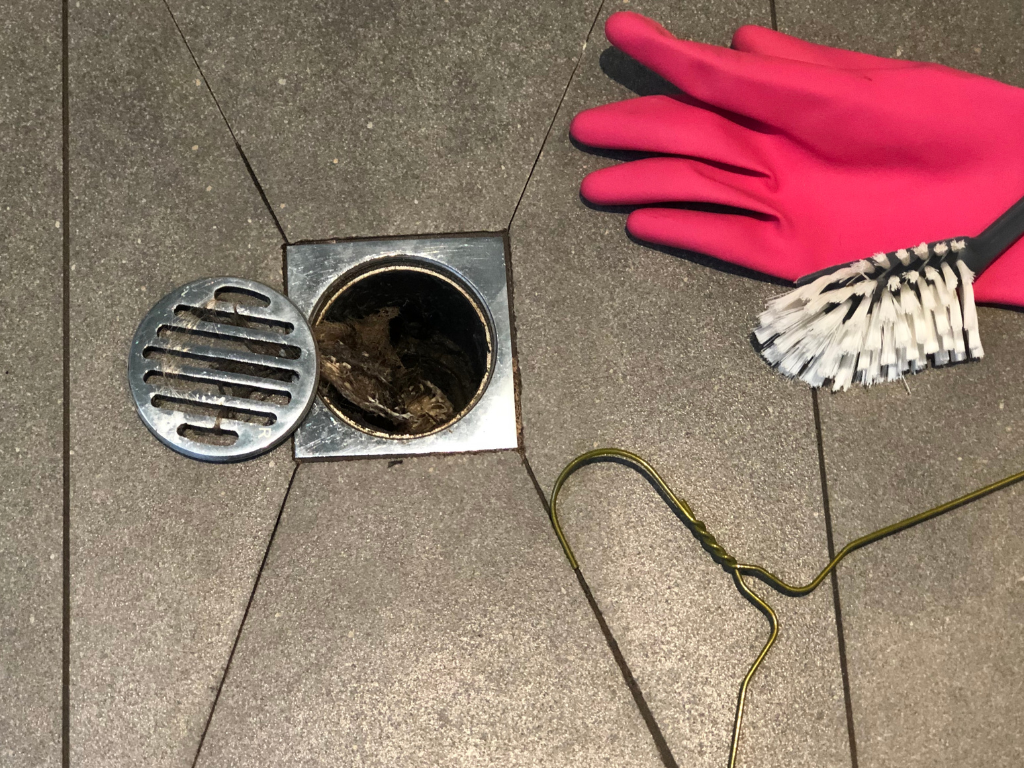

Kitchen and toilet chokes are the plumbing call Singapore homes make most. The drain choke causes Singapore homeowners meet again and again are grease, food debris, hair, and scale, not freak accidents. HDB refreshed its floor-trap maintenance guidance in 2026, showing how routine the problem is. This blog walks you through why drains clog, the warning signs, and when to book professional drain clearing.
What actually causes kitchen and toilet drains to choke in Singapore?
A drain choke is a partial or full blockage that stops water flowing freely through a fixture’s waste pipe. Four culprits cause most of them. Grease and food debris clog kitchen lines, hair and soap scum clog bathroom floor traps, scale and encrustation narrow older metal pipes, and foreign objects jam toilet traps.
Each fixture fails in its own way. A kitchen sink chokes on hardened grease in the bottle trap and floor pipe. A shower floor trap chokes on hair clumps and soap scum. A toilet bowl chokes on excess paper or a dropped object lodged in the S-trap. Fix It Papa clears all four for a starting rate of $50 per point, using a mechanical drain spring rather than chemicals.
Singapore’s humidity and dense high-rise living speed the process up. Warm, damp waste pipes let grease coat walls faster, and shared HDB stacks concentrate waste from many kitchens into one line. In practice, the two calls that dominate are kitchen grease chokes and bathroom hair chokes, and both are preventable with a strainer and correct disposal.
Why does my kitchen sink keep choking even after I clear it?
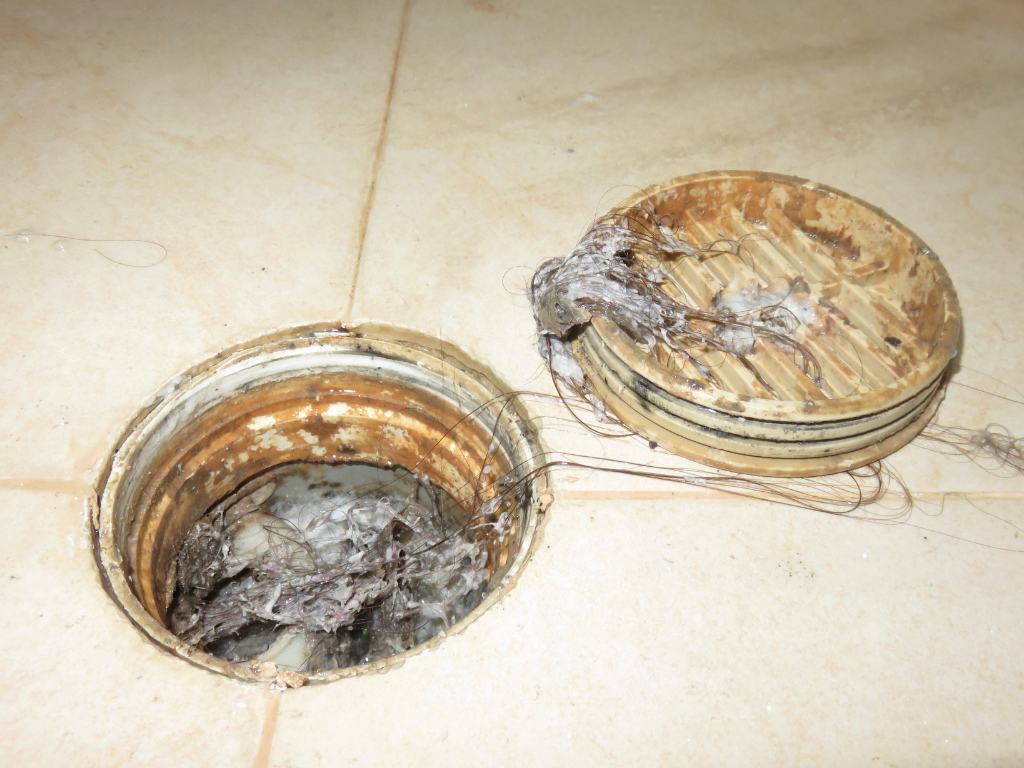
Grease is why. Cooking oil, fat, and food residue pour down warm and liquid, then cool and solidify inside the pipe, coating the walls a little thicker with every wash. The US Environmental Protection Agency attributes 47% of reported sewer blockages to grease, which makes it the single largest cause of kitchen chokes worldwide.
Chemical drain cleaners are the wrong tool for this. They dissolve minor organic waste but cannot cut through a hardened grease block, and they corrode PVC and older copper pipes on the way past. Store-bought cleaners buy a day of drainage, then the choke returns. The cleaner approach is a mechanical spring that physically scours the grease off the pipe wall.
Hot water does not save you either. Running the tap hot melts grease at the sink, then the grease travels a metre down the line, cools, and re-hardens out of reach. Where this breaks down for most homeowners is the belief that soap and heat wash grease away. They relocate it. Recurring kitchen chokes almost always trace back to grease disposal habits, and a $50 machine clearing plus a sink strainer ends the cycle faster than repeated chemical pours.
What causes a gurgling sound from my drain?
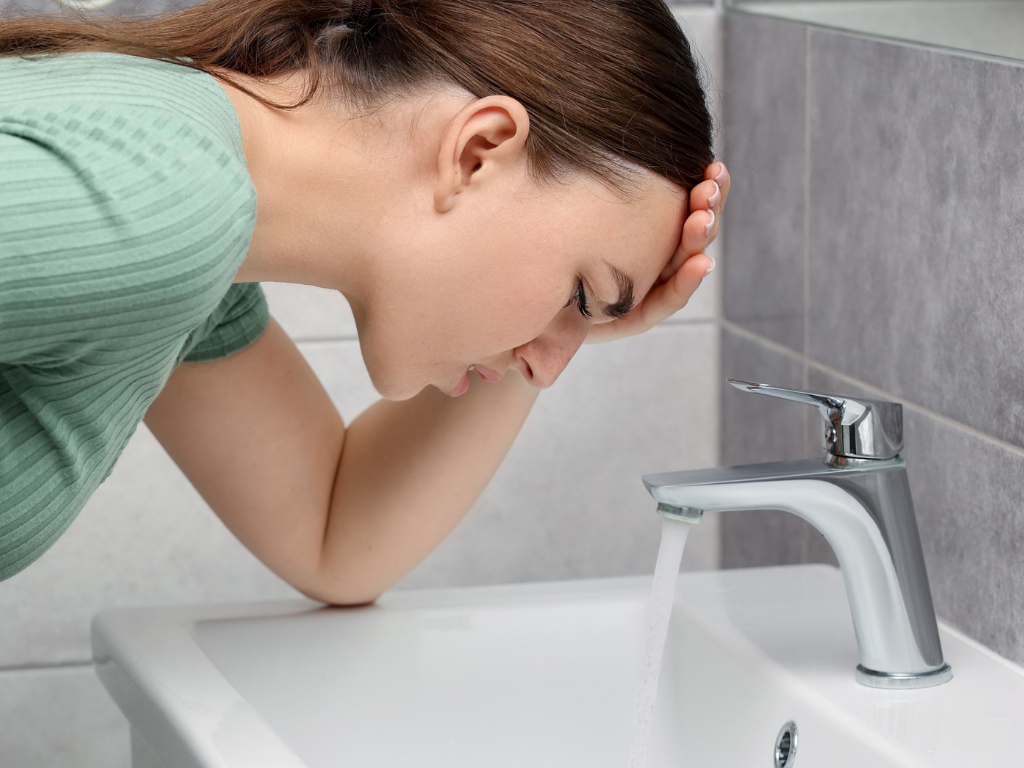
A gurgling drain means air is being forced through the water in your trap, and that points to a venting or flow problem downstream. Every fixture has a trap that holds a water seal, roughly 50 mm deep, to block sewer gas. When a partial blockage or a blocked vent creates negative pressure in the pipe, air pulls through that seal and you hear the gurgle.
The sound is a warning, not background noise. It tells you the line is restricted and water is struggling to displace air as it drains. Left alone, the same negative pressure siphons the trap seal dry, which lets odour and, in bad cases, backflow into the room.
Worth noting: a gurgle that appears when a different fixture drains signals a shared blockage further along the branch or stack, not a fault at the noisy fixture. That distinction matters for older HDB flats where several fixtures share one line. If the gurgle comes with a slow drain or a smell, the blockage is already established, and clearing it early avoids the overflow emergency help a full backup demands.
Why does my toilet or floor trap smell bad?
A bad smell from a drain almost always means the trap’s water seal has failed. That 50 mm plug of water is the only barrier between your bathroom and the sewer gas in the pipe. When a floor trap sits unused, the seal evaporates in Singapore’s heat within days, and gas rises straight through the empty trap.
Two other causes explain the rest. Rotting organic gunk, trapped hair and food film lining the pipe, produces its own odour even when the seal holds. A siphoned trap, pulled dry by the negative pressure behind a gurgle, does the same thing as an evaporated one. HDB’s own guidance covers keeping floor traps clear and their seals topped up.
The fix depends on the cause. An evaporated seal needs nothing more than a jug of water poured down the trap, plus a monthly top-up for rarely used drains. A gunk-lined pipe needs mechanical clearing to strip the film. A repeatedly siphoned trap needs the downstream blockage or vent fault fixed, because refilling the seal only delays the next dry-out. A dried floor-trap seal is the cheapest plumbing problem you will ever solve, and the most common odour cause Fix It Papa confirms on site.
Why is my sink draining slowly instead of fully blocking?
A slow-draining sink is a choke in progress, not a separate problem. The pipe is partly narrowed by buildup, so water still passes but at a fraction of the normal rate. Catch it here and you avoid the full blockage that follows. The buildup is usually grease and food film in kitchens, hair and soap scum in bathrooms, and scale in older pipes.
Drain gradient plays a quiet role. Horizontal waste pipes rely on a gentle fall, often around 1 in 60, to carry solids along with the water. A pipe laid too flat, or one sagging with age, lets debris settle instead of flushing through, so slow drainage returns even after a surface clear. This is common in older flats and badly modified renovations.
Scale deposits compound it. In ageing metal pipes, mineral encrustation narrows the bore from the inside, and PUB advises engaging a licensed plumber to replace pipes once encrustation is the cause rather than loose debris. A slow drain that returns within a week of clearing is telling you the buildup is structural, not surface, and a quick machine snake will not hold. The right response then is a pipe assessment, not another bottle of chemicals.
Do chemical drain cleaners actually work, or do they make it worse?
For a real choke, chemical cleaners make it worse. They are formulated to dissolve light organic matter, so they nibble at a surface film but stall against a hardened grease plug or a hair mass. Meanwhile the caustic solution sits against your pipe wall, and repeated use corrodes PVC joints and thins older copper.
Professionals use two mechanical methods instead. A drain snake, or motorised spring, feeds a rotating cable into the pipe to physically cut and pull the blockage out. Hydro-jetting sends water through a nozzle at roughly 3,000 to 4,000 psi to scour the full pipe wall clean, which is the method for grease-caked lines and long branch runs. Both remove the blockage; chemicals only shift it.
The stance here is firm from field experience. Chemicals are a false economy on anything past a minor slow drain, and the corrosion they cause turns a $50 clearing into a pipe replacement. The 2026 plumbing price list shows machine de-choke starting at $50, less than a year of repeated chemical pours that never fix the root buildup.
When is a choke something I can clear, and when do I need a plumber?
Clear it yourself when the blockage is shallow and local: a hair clump in the floor trap grate, a food catch in the sink strainer, a trap you can unscrew and rinse. A plunger or a hand-held drain snake handles these. Anything deeper, recurring, or shared belongs to a professional.
Call a plumber when the choke returns within days, when more than one fixture drains slowly, or when the toilet backs up. These signal a blockage in the branch pipe or the shared stack, beyond a plunger’s reach. A dropped object lodged in a toilet trap also needs proper equipment, and Fix It Papa clears roughly 90% of toilet chokes without removing the bowl. Related toilet faults sit under toilet trap and cistern fixes.
Regulation draws the final line. Under PUB’s licensed-plumber rules, regulated water service and sanitary plumbing works must be “carried out by Licensed Plumbers,” even though simple choke clearing can be done by a handyman. Clearing a floor trap is simple work; replacing an encrusted sanitary pipe is regulated. If a backup traces to a leak or cracked line, that crosses into sink and pipe leak repair, where a licensed plumber signs off the work.
Whose responsibility is a choke in an HDB flat, mine or the Town Council?
Inside your flat, the choke is yours. HDB is direct about it: “You need to maintain the sanitary branch pipes in your flats.” The branch pipes serving your sink, floor trap, and toilet fall to you, and clearing a choke in them is a homeowner cost, not a Town Council one.
The line shifts at the main sanitary pipe. The Town Council maintains the main sanitary pipes and the shared stack that carries waste away from every unit on the riser. When a blockage sits in that common line, causing backups across several flats, it becomes the Town Council’s job to clear. HDB’s home care guidance on pipes sets out the split.
Diagnosis decides who pays. A choke that affects only your fixtures points to your branch pipe. A backup that hits your neighbours at the same time points to the shared stack. Establish which line is blocked before you argue the bill, because a wrongly assigned call wastes days. Fix It Papa clears branch-pipe chokes in HDB, condominium, and landed homes, and flags a main-stack case so you route it to the Town Council correctly.
Conclusion
Drain chokes are predictable. Grease and food debris block kitchens, hair blocks bathroom floor traps, dried seals cause the smell, and venting faults cause the gurgle. Chemicals shift blockages; machines remove them. And in an HDB flat, the branch pipe is yours while the main stack is the Town Council’s, so diagnosis decides the bill.
Book a machine de-choke with Fix It Papa on +65 8091 6366, starting at $50 per point, and clear a slow or smelly drain before it overflows.
Frequently Asked Questions
How do I stop my kitchen drain from choking again?
Keep grease out of the sink. Wipe greasy pans with paper towel before washing, fit a sink strainer to catch food debris, and never pour cooking oil down the drain. These three habits prevent most recurring kitchen chokes. Fix It Papa’s machine clearing from $50 resets a pipe already coated with hardened grease.
Can grease really block a pipe if I run hot water after?
Yes. Hot water melts grease at the sink, then the grease travels down the line, cools within about a metre, and re-hardens on the pipe wall. Running the tap hot relocates the problem instead of solving it. The US EPA links 47% of sewer blockages to grease, so hot-water rinsing is not a safeguard.
What is hydro-jetting and when is it needed?
Hydro-jetting scours a pipe clean with water delivered at roughly 3,000 to 4,000 psi. It is the method for grease-caked kitchen lines, long branch runs, and blockages a drain snake only punches a hole through. Fix It Papa uses it when a mechanical spring clears the choke but leaves the pipe wall still coated.
Is a gurgling drain an emergency?
Not yet, but it is a warning. A gurgle means a partial blockage or blocked vent is pulling air through your trap seal, roughly 50 mm of water that blocks sewer gas. Clear it early and you avoid the backflow and overflow that follow a full blockage. Ignoring it risks a smell and a siphoned trap.
Leave a Reply
You must be logged in to post a comment.