
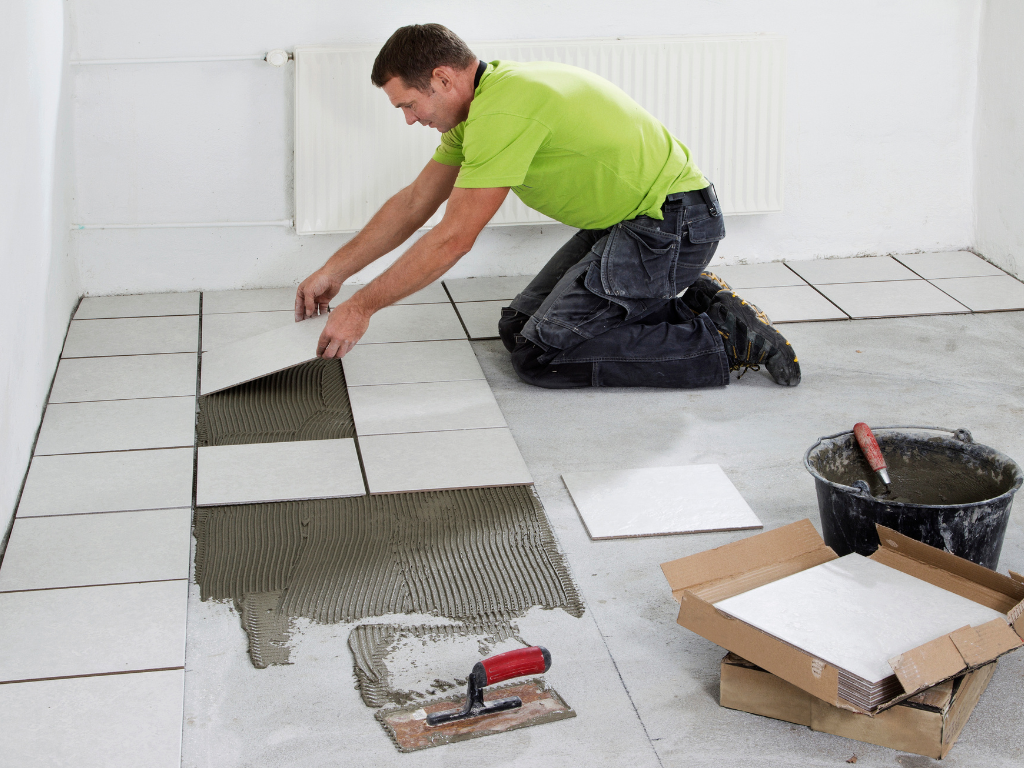

A hollow tile that hasn’t lifted yet is still failing. The bond between tile and substrate is gone or going, and the question is whether you catch it before water does. This blog will walk you through hollow tile repair singapore causes, the tap test, and the call between regrout, partial replacement, or full retile, with general handyman support.
Why Tiles Go Hollow in Singapore Homes
The bond between tile and substrate is held by thinset or bonding mortar. When the bond fails, the tile becomes hollow. The tile itself stays intact; the connection beneath fails. Five causes drive most loose floor tile causes singapore homeowners encounter.
Thinset failure during original installation.
The most common cause in HDB BTOs and condo TOP fittings is insufficient thinset coverage. The BCA Good Industry Practices guide on ceramic tiling calls for at least 80% adhesive coverage under wet-area tiles and 65% under dry-area tiles. Speed-tiling on a tight construction schedule produces 40 to 60% coverage, leaving voids that weaken over years. A tile installed with thinset only at four corners reads solid for 18 months and hollows out by year three.
Substrate movement.
Cement screed cracks slightly as it cures and continues moving in response to thermal load. Tiles installed before screed has fully cured (28 days minimum, longer for thicker pours) end up bonded to a substrate still settling.
Water ingress through grout failure.
Grout lines are the entry point for water to reach the bond layer. When grout cracks or pulls away from the tile edge, water seeps through, weakens the thinset, and detaches the tile from the substrate. This is why bathroom tiles fail more often than living-room tiles despite identical install practice.
Subfloor expansion and contraction.
Singapore’s humidity range and temperature swing cause measurable subfloor movement. Without expansion joints around fixed elements (door thresholds, walls, sanitary fittings), the tile field has nowhere to relieve stress, and bond failure accumulates at the perimeter first.
Impact damage.
A heavy object dropped on a tile can fracture the thinset bond beneath without cracking the tile face. The tile reads visually fine but taps hollow afterwards. Common in living rooms after furniture moves and in kitchens after pot drops.
The Tap Test: How to Find Hollow Tiles Yourself
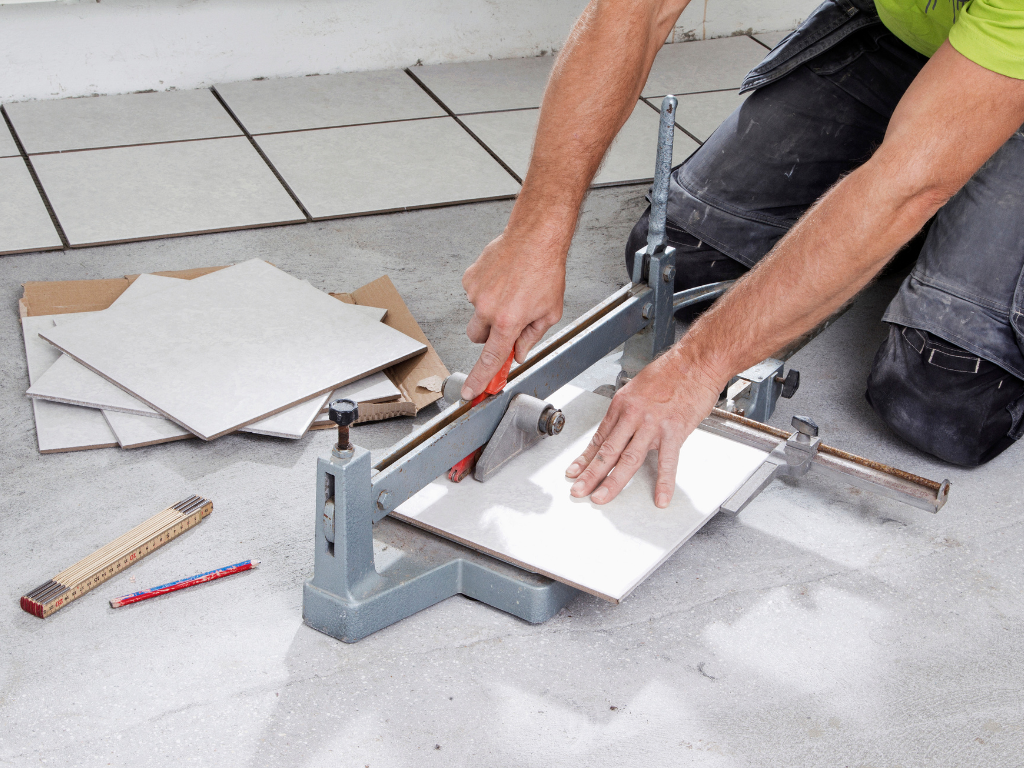
The tap test hollow tile method is what every handyman, surveyor, and BCA inspector uses to assess tile bond. It costs nothing and works on every tile size and material.
Use a metal object: a 20-cent coin, a metal spoon handle, or a small ball-peen hammer with a controlled tap. A plastic pen or your knuckle won’t transmit enough vibration through dense porcelain. Tap the centre of each tile, not the edge.
A solidly bonded tile produces a sharp, dense, high-pitched ring. The sound carries no echo and dies quickly. A hollow tile produces a clearly different note: lower, drumlike, with a hollow resonance that lingers. The difference is unmistakable once you’ve heard both within seconds of each other.
Sweep methodically. Move tile by tile across each room, marking suspected hollow tiles with low-tack masking tape. Don’t try to remember; mark as you go. A 60 sqft bathroom takes 4 to 6 minutes. A full HDB flat takes 30 to 45 minutes.
Three caveats matter. Edge tiles next to walls and fittings naturally read slightly different from field tiles because half the tile sits on grout backing or silicone, so test the centre. Large-format tiles (600x600mm and above) ring louder regardless of bond, so listen for the difference between adjacent tiles, not absolute sound level. Some tiles fail asymmetrically: solid on one corner, hollow on the opposite, so tap two or three points on each large tile.
What Hollow Doesn’t Always Mean Replace
A hollow tile in a low-traffic dry area (a bedroom corner under a bed) can sit for years without further failure. Wet areas are different. A hollow tile in a bathroom is on a clock. Water finds the void within months and accelerates the failure. The same tile in a kitchen near a wet zone is higher priority than a hollow tile under the dining table.
Triage by location. Bathroom and shower hollows: act fast. Kitchen wet zones: address within the year. Living room or bedroom away from water: monitor.
Regrout vs Retile: Reading the Failure Mode Correctly
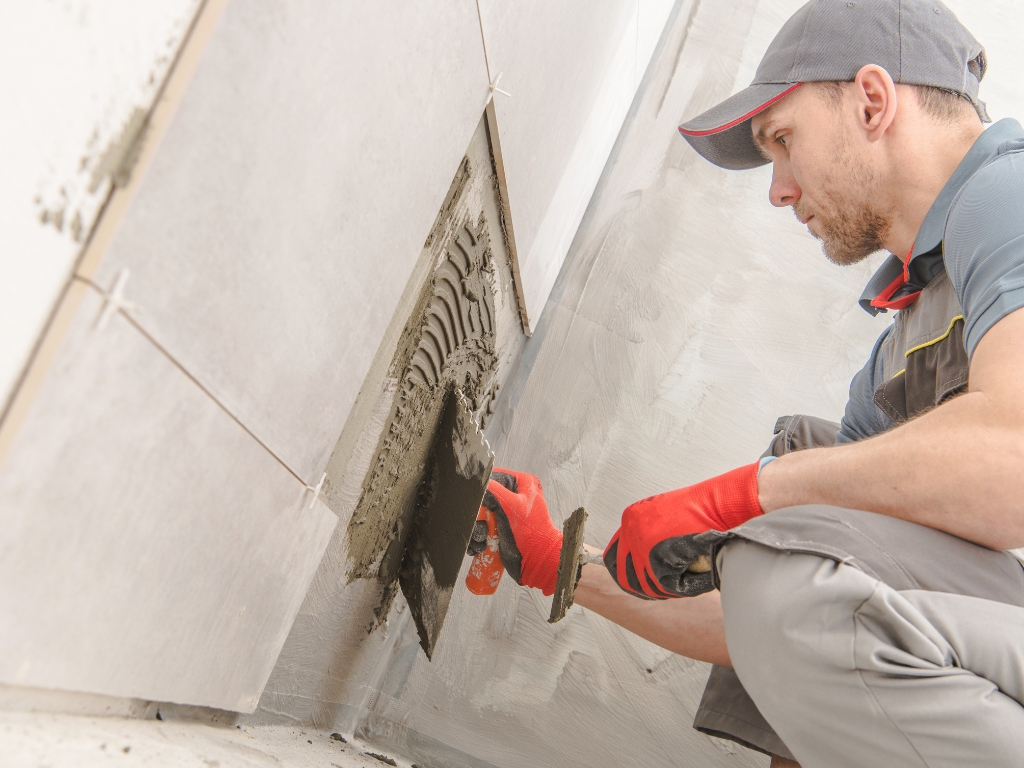
The regrout vs retile bathroom singapore decision hinges on whether the failure is at the grout (surface) or at the bond (structural). Getting this wrong wastes money in both directions.
Regrouting is appropriate when:
- Grout lines are cracked, missing, or stained but tiles tap solid
- Grout has pulled away from tile edges in localised spots
- Mould or discolouration is purely surface-level
- Tiles read uniformly solid across the floor
Regrouting cost in 2026 sits at $400 to $900 for a typical HDB bathroom (40 to 60 sqft floor plus 80 to 120 sqft wall), depending on whether old grout is fully chased out and replaced or topped up. Topped-up grout fails again within 12 to 18 months because the fresh layer doesn’t bond to old material; full chase-and-replace lasts 8 to 10 years.
Partial retile is right when:
- Specific tiles tap hollow but surrounding tiles are solid
- Damage is localised to under 15% of the floor or wall area
- Matching tile shade is achievable from existing stock or a close batch
- The substrate beneath the affected area is intact
Full retile is right when:
- More than 25% of tiles tap hollow across the room
- Substrate (cement screed) is cracked or showing waterproofing failure
- Original tile pattern is no longer manufactured and partial replacement would look obviously patched
- Bathroom waterproofing membrane is overdue for replacement
The cost gap is significant. Partial replacement of 4 to 8 tiles on an HDB bathroom floor costs $300 to $700 with matching, removal, substrate prep, and re-bedding. Full bathroom floor and wall retile lands at $4,000 to $7,000 once waterproofing, hacking, screed correction, and re-tiling are factored. The pricing logic for tiling work sits in minor renovation cost in Singapore for 2026.
Matching Tiles for Partial Replacement
Matching tile shade is where most partial replacement attempts go visibly wrong. Three things drift between the original install and a replacement piece, even from the same brand and model number.
Production batch (or “shade batch”) affects colour and finish. Tiles produced in different kiln runs vary by 5 to 15% in tonal depth. Reputable manufacturers mark batch numbers on the carton, and the only way to guarantee a clean match is sourcing from the same batch, which is rarely possible after the original install.
Wear and exposure shift the appearance of installed tiles over time. UV exposure in sun-facing rooms, foot traffic polishing, and cleaning chemical residue accumulate. A 5-year-old tile is not the same colour as a brand-new tile of identical specification.
Substrate prep changes the apparent shade. A tile bedded on slightly different thinset thickness sits a millimetre higher or lower than its neighbours, catching light differently.
The professional workaround is sourcing tiles from a less visible area first (under the WC, behind the door, inside a corner) and using those to patch the visible damage, then bedding the new tiles in the donor location. Visible patches get aged tiles; new tiles go where they’re hidden. If matching is impossible, the honest call is full retile.
When the Hollow Tile Signals Something Worse
A hollow tile in a bathroom isn’t always just bond failure. Three deeper problems present as hollow tiles first.
Waterproofing membrane breach
If the polyurethane or cementitious membrane beneath the tile bed has failed, water reaches the structural slab and the bond layer simultaneously. Hollow tiles cluster around the floor trap or shower zone. The fix isn’t just retiling; the membrane needs full replacement, meaning complete tile removal, screed correction, new membrane, then new tiles. Catching this early matters because the alternative is the unit below paying for ceiling repairs.
Slow leak from concealed piping
A leaking pipe in the wall or floor saturates the substrate from beneath, breaking tile bonds in a clustered pattern. If the hollows form a line or cluster rather than scattered randomly, suspect a leak. The diagnostic and repair scope falls under water leak repair work which a PUB-licensed plumber handles before any tiling.
Substrate failure
Less common but serious. If the cement screed itself has cracked or detached from the structural slab, hollow tiles spread predictably across whole rooms. Diagnostic requires a small core sample. The fix is hacking down to slab, re-screeding, then full retile.
The HDB renovation guidelines on permitted bathroom and floor works define what constitutes notifiable work in this category. Anything touching the structural slab or building waterproofing crosses into permit territory.
The Condo Angle on Tile Repair
Condominiums add scheduling friction to tile work. Most MCSTs restrict noise and water-affecting work to weekdays 9am to 5pm. Tile hacking is loud and dusty enough that some buildings require advance notification or limit it to specific hours. The full breakdown of condo handyman work and MCST rules covers building-by-building drilling and hacking restrictions.
Condo bathroom retiles also need lift access for waste removal. A 60 sqft bathroom retile generates 250 to 350kg of debris that has to be bagged, walked through corridors with floor protection, and disposed of via lorry. Building rules on contractor entry, debris route, and security deposits feed directly into the quote.
Conclusion
A hollow tile is the early warning. Tap-test your floors annually if you live in a flat over 5 years old, mark anything that sounds different, and triage by location. Wet areas demand action; dry areas tolerate monitoring. Regrout when grout fails and tiles are solid. Partial retile when hollows are localised and matching is possible. Full retile when failure is widespread or substrate is compromised.
For an on-site tap-test inspection and a written quote covering regrouting, partial replacement, or full retile, request a Fix It Papa estimate with photos of the affected area and your tile size.
FAQ About Hollow Tile Repair Singapore
How do I test if my floor tiles are hollow?
Tap the centre of each tile with a metal object like a coin or small hammer. Solid tiles produce a sharp, high-pitched ring; hollow tiles produce a lower, drumlike sound. The difference is clear when you tap two adjacent tiles within seconds. A 60 sqft HDB bathroom takes 4 to 6 minutes to fully tap-test.
What causes tiles to become hollow over time in Singapore?
The most common cause is thinset failure during original installation, where bonding mortar covered less than 65% of the tile back. Other causes include substrate movement before cement screed cured, water ingress through grout failure, subfloor expansion stress, and impact damage that shears the bond layer without cracking the tile face.
Should I regrout or retile my bathroom?
Regrout when tiles tap solid but grout lines are cracked, missing, or stained. Retile when tiles tap hollow across more than 25% of the floor, when bathroom waterproofing has failed, or when the substrate is cracked. Partial retile suits localised hollows under 15% of area where matching tile shade is still possible.
How much does hollow tile repair cost in Singapore?
Partial replacement of 4 to 8 hollow tiles costs $300 to $700 including matching and substrate prep. Full bathroom regrouting runs $400 to $900. Full bathroom retile lands at $4,000 to $7,000 with waterproofing membrane replacement. Pricing varies with tile spec, MCST restrictions, and weekend surcharge.
Can a hollow tile mean a water leak under the floor?
Yes, especially when hollow tiles cluster in a line or pattern rather than scattered randomly. Slow leaks from concealed piping saturate the substrate from beneath and break tile bonds in clusters. Diagnostic and repair fall under water leak work by a PUB-licensed plumber before any tiling, to avoid retiling over an active leak.
Leave a Reply
You must be logged in to post a comment.