
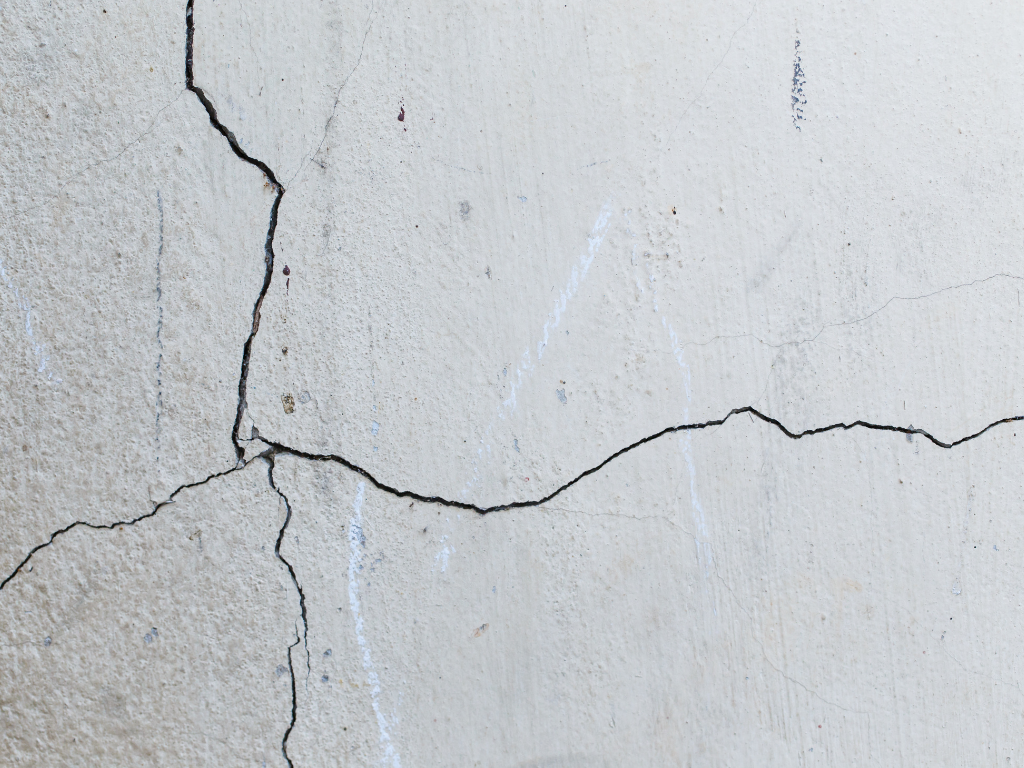

Most hairline cracks in an HDB flat are nothing to worry about. The handful that aren’t can quietly turn into a $3,000 problem if you paint over them and assume it’s solved. This blog will walk you through hairline crack repair singapore homeowners face, the four types in BTOs and resale flats, and when to call general handyman help.
What Counts as a Hairline Crack
A hairline crack is anything you can see but can’t comfortably fit a coin into. The technical threshold sits at under 0.3mm wide. Anything over 1mm is no longer hairline and warrants different attention.
The reason this distinction matters: hairline cracks are surface-level cosmetic events in 95% of cases. Plaster, paint, or skim coat has cracked because materials behind it moved slightly. The structural concrete sits behind the cosmetic layer, and concrete cracks at scales hundreds of times wider before structural integrity is in question.
HDB takes a clear position on this. The official guidance on hairline cracks in walls treats them as normal maintenance from natural expansion and contraction of building materials, fixable with flexible sealant or elastomeric paint. That framing is correct for the vast majority of cracks Singapore homeowners encounter.
The Four Types of HDB Wall and Ceiling Cracks
Most hdb wall crack causes fall into four categories, each with a distinct visual signature and a different fix.
Shrinkage Cracks
These appear in the first 2 to 5 years after construction or renovation. As cement-based plaster, skim coat, or render dries fully, it shrinks slightly. The shrinkage produces fine, irregular cracks that often spread randomly, sometimes branching like dry mud.
Visual signature: thin, often discontinuous, randomly oriented, almost always under 0.3mm wide. Most common on freshly skim-coated walls, especially over patched areas where new plaster meets old.
Fix: surface preparation, primer, flexible filler or elastomeric paint, repaint to blend. Cost in 2026 sits at $80 to $200 per affected room.
Settlement Cracks
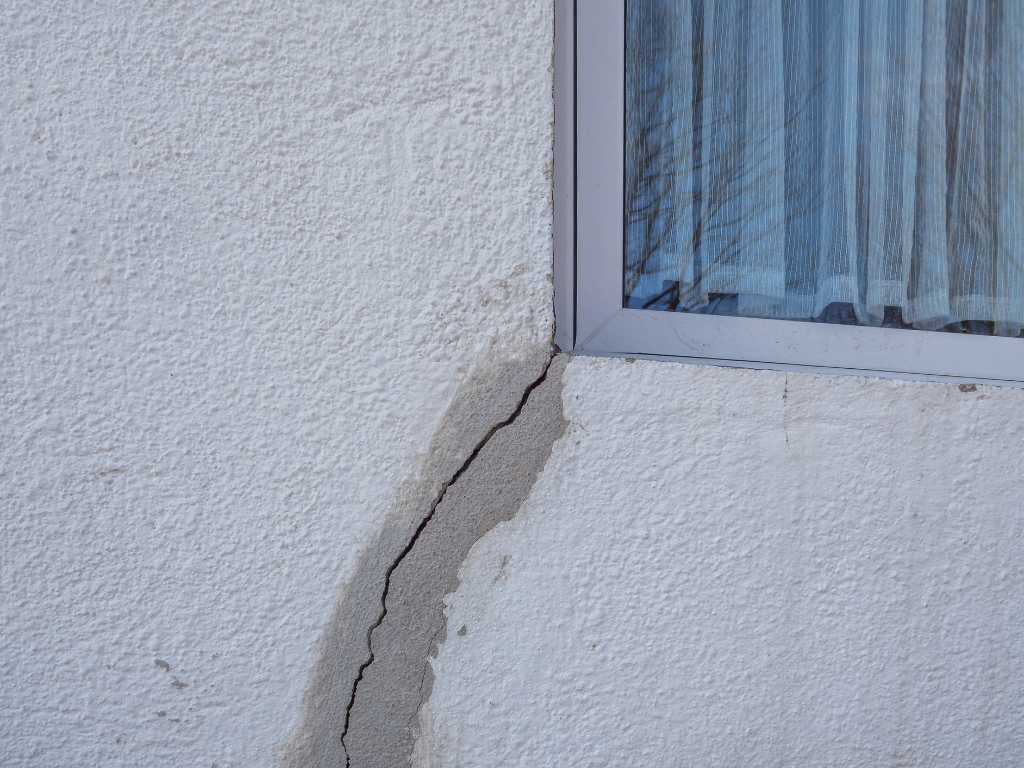
A new HDB block continues to settle into its foundation for up to 10 years after handover, with most movement in the first 3 to 5. The building’s weight redistributes as soil compacts and concrete cures, and the cosmetic finish on internal walls cracks where movement concentrates.
Visual signature: typically diagonal, often emerging from the corners of doors and windows where the wall has the least continuous material to absorb stress. May extend 30cm to 1.2m. Width usually stays under 0.5mm but can creep wider as movement accumulates.
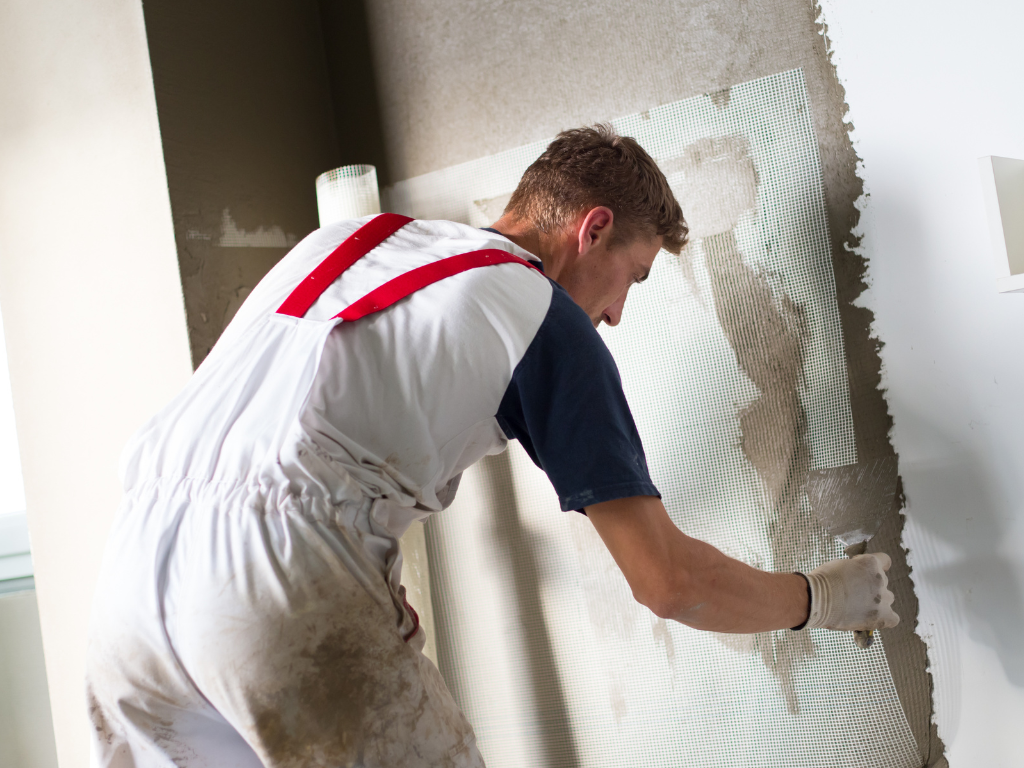
Fix: settlement cracks need flexible filler with mesh tape across the crack, then skim coat and paint. Rigid filler will simply crack again because building movement continues. Cost runs $150 to $350 per crack depending on length.
Thermal Expansion Cracks
Building materials expand and contract with temperature changes. Different materials (concrete, plaster, brick, gypsum) expand at different rates. Where they meet, hairline cracks open along the joint over time.
Visual signature: linear, follows construction joints, often horizontal along the top of brick courses or vertical between dissimilar materials. Common in older HDB flats with mixed-material walls and on ceiling-to-wall junctions.
Fix: flexible sealant before paint, ideally a paintable polyurethane or acrylic sealant rated for movement. Standard caulk fails fast because it’s not designed for repeated expansion. Cost runs $100 to $250 per affected joint.
Plaster Failure Cracks
Plaster or skim coat that wasn’t bonded to the substrate eventually delaminates. The crack pattern is the visible warning, often combined with hollow sound when tapped.
Visual signature: irregular, sometimes circular or oval, with the cracked plaster sometimes feeling springy when pressed. May follow the line where two plaster batches were applied at different times.
Fix: localised plaster removal, fresh skim coat, and repaint. Cost runs $200 to $500 per affected area depending on size. The diagnostic technique mirrors what works for hollow tile detection in Singapore homes, using the same tap-test logic on a different material.
Cosmetic vs Structural: How to Tell the Difference
The cosmetic vs structural crack singapore distinction is the question every worried homeowner wants answered. Five signals separate the two.
Width
Anything under 0.3mm is almost certainly cosmetic. Cracks at 1mm or wider need professional assessment. A coin trick works: a 5-cent coin is roughly 1.7mm thick. If the coin slides into the crack, it’s no longer hairline.
Depth
Surface cracks in plaster don’t continue into the concrete behind. Run a flexible blade or thin wire into the crack. If it penetrates more than 5 to 8mm, the crack has gone past the cosmetic layer.
Pattern
Cosmetic cracks tend to be irregular, branching, or follow construction joints. Structural cracks run in straight lines, often diagonal across the wall, typically emerging from corners where stress concentrates. Stair-step cracks following brick or block courses are particularly notable in older flats.
Progression
Mark both ends of the crack with a pencil and date it. If the crack grows beyond the marks within 6 months, the underlying movement is ongoing. Cosmetic cracks stabilise; structural ones progress.
Associated signs
Doors that suddenly stick or won’t latch, floors with a noticeable slope, windows that bind in their frames, or ceiling cracks paired with water staining all suggest movement beyond cosmetic. A crack on its own is often nothing. A crack plus stuck door plus wet patch is a different conversation.
The walls between flats, walls around the household shelter, and external walls in your flat are reinforced concrete and load-bearing. Cracks running through these warrant more attention than the same crack on a non-load-bearing partition. Knowing which is which uses the tap-test methods covered in HDB wall types and structural identification.
Ceiling Hairline Cracks: A Special Case
Ceiling hairline crack repair has one variable wall cracks don’t: gravity and the unit above you.
A hairline crack on a ceiling, with no water staining and no progression, is almost always shrinkage or thermal in nature. Same fix as wall cracks: flexible filler, primer, paint.
A hairline crack with a yellowish or brownish ring around it tells a different story. That stain means water has reached the cosmetic ceiling layer from above, either from the unit upstairs (wet area or piping leak) or, on top floor units, from the roof. The crack itself isn’t the problem; it’s the visible exit point of water sitting in the ceiling cavity.
For ceiling water staining or persistent damp patches, the fix sequence runs in this order: identify the source (often the upstairs unit’s bathroom waterproofing failure), engage water leak repair work or coordinate with the upstairs neighbour and town council, only then patch and paint. Painting first wastes the paint.
The other ceiling-specific concern is spalling concrete. HDB’s guidance on spalling concrete in resident flats covers this thoroughly: if a ceiling crack is paired with rust-coloured staining and small concrete pieces falling, the steel reinforcement bars inside the slab are corroding. More common in older flats and bathroom ceilings. Spalling needs proper repair, not paint over.
When a Crack Means Call HDB, Not a Handyman
For most hairline cracks, a handyman handles it. For specific scenarios, HDB or your town council needs to be involved.
Call HDB when:
- A crack exceeds 1mm width and runs across multiple walls or floors
- Cracks coincide with visible structural movement (stuck doors, sloped floors, window binding)
- Cracks appear suddenly after a nearby construction event (HDB upgrading, neighbouring renovation, MRT works)
- A flat is within its 1-year defect liability period for HDB-related issues, regardless of severity (HDB’s maintenance guide for new flat owners covers what’s covered and the extended warranty windows)
- Spalling concrete shows rust staining or falling pieces
Call your town council when:
- The crack is on an external facade wall, common corridor, or void deck
- Water seepage from external walls causes internal staining
- The crack is in a common area beyond your flat boundary
For everything else (cosmetic shrinkage, thermal expansion, plaster failure, isolated settlement), a handyman handles the repair. The full pricing breakdown sits under minor renovation cost in Singapore for 2026.
How a Proper Hairline Crack Repair Goes
Most homeowners paint over hairline cracks. The crack reappears within 6 months because paint alone has no flex and no bond strength. A proper repair sequence used by competent handymen across Singapore in 2026 runs as follows.
Surface preparation first. The crack edge is V-cut with a utility knife to remove loose plaster and create a key surface for filler. Dust is brushed out completely, not just wiped, because filler bonds poorly to powder.
Primer application. A bonding primer reduces filler suction into the substrate and improves adhesion. Skipping primer is the most common reason DIY crack repairs fail within months.
Flexible filler with mesh tape for cracks longer than 100mm or in known movement zones. Mesh tape spans the crack and bridges future movement. Filler alone will crack again with the next thermal cycle.
Skim coat over the filled area to feather the patch into surrounding plaster. This is the step that separates a barely visible repair from an obviously patched one.
Final paint. Elastomeric or acrylic paint with light flex tolerance, ideally matching the original wall paint. Touch-up patches stand out within months if the new paint is markedly different.
Total time for a typical wall crack: 2 to 4 hours including drying intervals. Total cost: $80 to $250 depending on length and accessibility. For multi-room work, bundling reduces the trip charge component, which the condo handyman work and MCST guide covers for condo-specific scheduling.
Conclusion
Most hairline cracks in HDB walls and ceilings are cosmetic, fixable with flexible filler, primer, and elastomeric paint for under $250 per location. The five-test diagnostic (width, depth, pattern, progression, associated signs) tells you whether the crack is normal or worth flagging to HDB. Track suspicious cracks for six months before deciding. Don’t paint over water-stained ceiling cracks until the source is found and fixed.
For a written quote on hairline crack repair, including diagnostic visit, surface prep, filler, skim coat and paint, request a Fix It Papa estimate with photos showing the crack location and any staining.
FAQ About Hairline Crack Repair Singapore
Are hairline cracks in HDB walls dangerous?
Most hairline cracks (under 0.3mm) are cosmetic, caused by natural shrinkage, thermal expansion, or settlement. They don’t threaten structural integrity. HDB’s home care guide treats hairline cracks as normal maintenance. Cracks become concerning when they exceed 1mm, run diagonally across multiple walls, or coincide with stuck doors and sloped floors.
What causes hairline cracks in newly renovated HDB flats?
Shrinkage cracks are the most common cause in flats renovated within the last 2 to 5 years. As cement-based skim coat and plaster fully dry, they shrink slightly and produce fine, branching cracks. These are cosmetic and stabilise within months. Flexible filler and elastomeric paint fix them.
Can I just paint over a hairline crack?
Paint alone fails within 6 months because it has no flex or bond strength. A proper repair needs surface preparation (V-cut and clean), bonding primer, flexible filler with mesh tape for longer cracks, skim coat, and elastomeric paint. The full sequence costs $80 to $250 per location and lasts years rather than months.
When should I report a wall crack to HDB?
Report cracks to HDB when the crack exceeds 1mm width, runs diagonally across multiple walls, appears alongside structural symptoms (stuck doors, sloped floors), shows up suddenly after nearby construction, or appears with rust staining suggesting spalling concrete. For external walls, common corridors, or void decks, contact your town council instead.
How do I tell if a ceiling crack is from a leak above?
Look for yellowish or brownish staining around the crack. A clean hairline crack with no discolouration is usually shrinkage or thermal. A crack with a stain ring means water has reached the cosmetic ceiling from above, either an upstairs unit or roof leak. Find and fix the source before painting, or the patch fails.
Leave a Reply
You must be logged in to post a comment.