
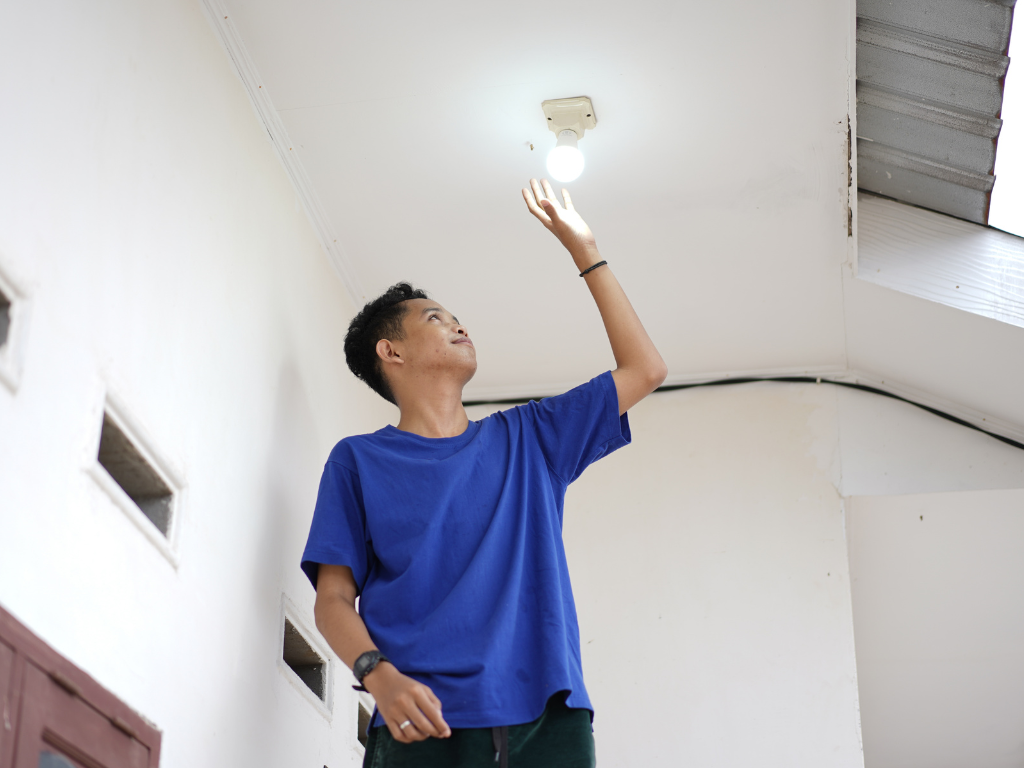

If you are searching for lighting repair Singapore, the problem is usually more specific than “the light is spoiled.” It may be a failing driver, a loose connection, a bad switch, or a fitting that is starting to trip the circuit. This blog will walk you through why ceiling lights flicker, stop working, or trip the switch, and when the issue is a simple fitting repair versus a broader electrical fault.
Why lighting faults should be taken seriously at home
A faulty ceiling light is easy to ignore when the room still has daylight or another lamp nearby. That is a mistake. Lighting faults often start with small warning signs such as brief flickering, delayed start-up, buzzing, or one switch that feels warmer than usual. Those symptoms matter because a light fitting is not just a decorative object. It is part of the home’s electrical system, tied to wiring, switchgear, connectors, and the circuit that serves the room.
In Singapore, the Energy Market Authority states that electrical work at consumers’ premises should be carried out by Licensed Electrical Workers, and this includes installation, repair, or modification of electrical wiring, as well as the replacement of lighting points and switches. That is a useful reference point because it shows that home lighting faults are part of real electrical work, not just a cosmetic household annoyance.
For homeowners who already know a fitting needs checking or replacing, lights and power point installation is the most relevant Fix It Papa service page because it sits directly within the company’s residential electrical scope for HDB flats, condos, and landed homes.
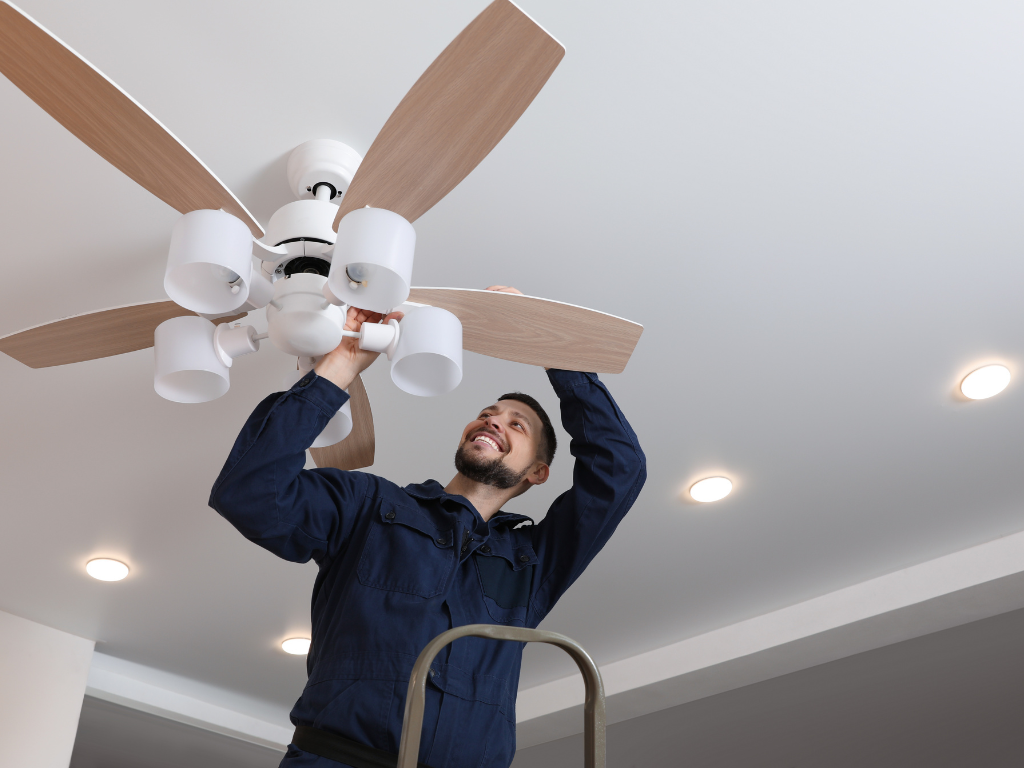
What usually causes a ceiling light to flicker?
Loose connection at the light fitting
A loose connection is one of the most common reasons a ceiling light flickers. The issue may sit at the terminal block, the fitting connector, the switch point, or a previous joint hidden above the canopy. When current flow becomes unstable, the light may flicker randomly, pulse after switch-on, or respond when the fitting is touched or the wall switch is pressed more firmly.
This is especially common in homes where the fitting has been changed before, where the original point is older, or where decorative fittings were installed without careful termination. In actual residential repair work, a “flickering light” is often a connection problem before it is a bulb problem.
LED driver issue
Integrated LED ceiling lights do not use a replaceable bulb in the old sense. Many rely on an internal LED driver that regulates power to the light source. When the driver starts failing, the symptoms are usually very specific: flickering after a few minutes, dim light output, unstable brightness, or a fitting that switches on and off unpredictably.
A burnt or deteriorating driver does not always leave visible marks. Sometimes the fitting looks fine from the outside but behaves badly under load. In that situation, repair may involve driver replacement if the model allows it, or full fitting replacement if the unit is sealed or the parts are no longer practical to source.
Faulty ballast in older light fittings
Older fluorescent or compact fluorescent fittings may still be present in service yards, kitchens, store rooms, or older resale flats. These lights often depend on a ballast. When the ballast starts failing, the fitting may flicker, hum, delay start-up, or stop working entirely.
This matters because the repair path for an older fluorescent fitting is different from the repair path for a modern LED ceiling light. The fitting type defines the likely failed component, the parts needed, and whether repair is still worth doing.
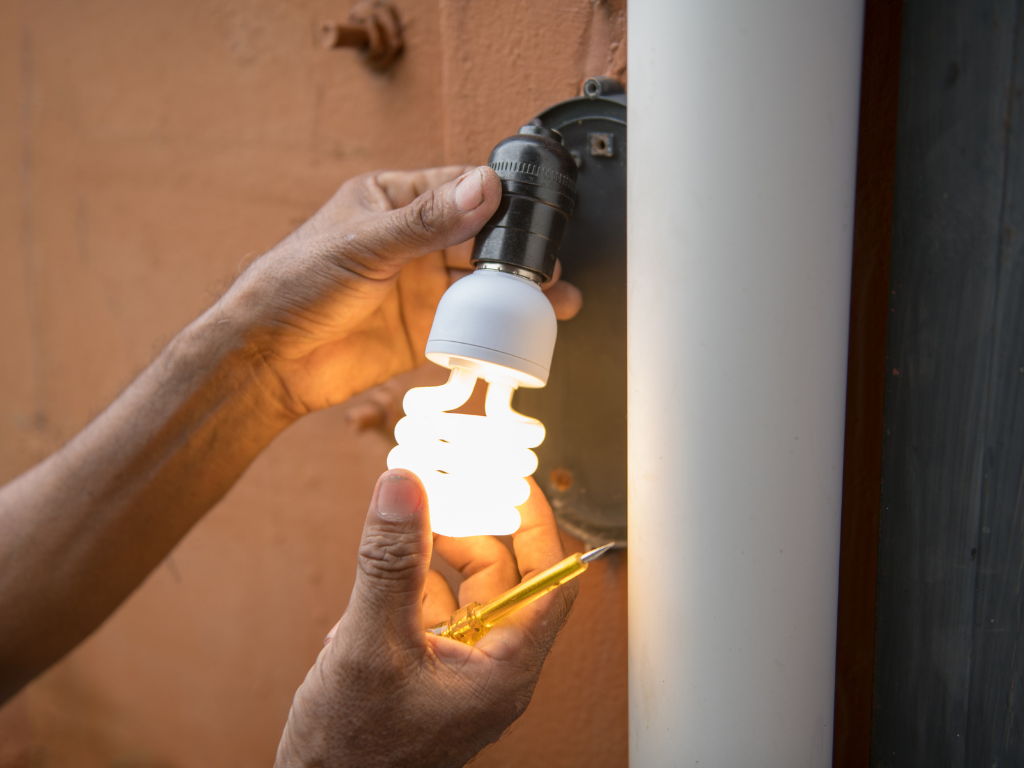
Switch fault
Sometimes the light is not the problem. The switch is. A worn switch mechanism can interrupt current flow, feel loose, fail to latch properly, or create intermittent lighting faults that look like a faulty fitting. If one light flickers only when controlled from a certain switch, or if the issue improves when the switch is pressed a certain way, the switch point becomes a strong suspect.
That is why good diagnosis matters. A homeowner may replace the light first and still end up with the same problem because the fault was always in the switch.
Why a ceiling light stops working completely
The light fitting has failed internally
When a ceiling light stops working entirely, the failed component may be inside the fitting. In LED units, that often means the driver. In older fluorescent fittings, it may be the ballast, starter, or lamp holder assembly. In decorative fittings, it can also be a failed transformer or internal connector.
A complete failure at the fitting level is often localised. Other lights on the same circuit still work, the switch still feels normal, and there is no trip at the consumer unit. That usually points to a fitting-level fault rather than a wider circuit issue.
The wiring point has a termination problem
A dead light does not always mean a dead fitting. The wiring point above the fitting may have a loose neutral, poor live termination, heat damage, or an old connector that has deteriorated over time. This is especially relevant in older homes and in rooms where fittings have been replaced multiple times.
From a repair perspective, this is why the fitting should not be blamed before the point is checked. A new light installed on a bad point often becomes a callback job.
The fault sits on the circuit, not the fitting
If the ceiling light is dead and nearby points on the same circuit also behave oddly, the fault may sit beyond the individual fitting. At that stage, the issue moves closer to circuit diagnosis rather than simple lighting repair. Fix It Papa’s power trip and circuit breaker repair page becomes more relevant here because lighting faults sometimes overlap with tripping breakers, overloaded circuits, or unstable connections elsewhere in the line.
Why a light fitting trips the switch or breaker
Short circuit inside the fitting
A light that trips the switch or breaker when turned on often points to a short circuit or insulation failure inside the fitting or its immediate connections. This can happen in old fluorescent fittings, water-affected bathroom lights, damaged pendant lights, or LED fittings with burnt internal components.
The key sign is repeatability. The breaker holds until the light is switched on, then trips again. That usually means the lighting point is directly tied to the fault event.
Faulty driver drawing abnormal current
Some LED driver failures do not just create flicker. They can also trigger protective devices when the fitting tries to start. The homeowner experiences this as a light that trips the switch immediately or a circuit that resets only until that specific fitting is used again.
This is one reason why “ceiling light not working Singapore” searches often overlap with trip-related searches. The light failure and the circuit reaction are part of the same fault pattern.
Damaged wiring or moisture exposure
In kitchens, bathrooms, and service yards, moisture matters. If water ingress reaches the light point, fitting, or hidden junction, the risk moves beyond poor performance into an actual fault condition. Bathroom and utility area fittings deserve more caution for exactly this reason.
EMA’s electrical safety guidance is relevant here because it reinforces that unsafe electrical conditions at home should not be treated casually. Electrical works at home are expected to be carried out safely and by the appropriate licensed professionals.
What homeowners in HDB and condo units should check first
Check whether the problem is isolated to one light
If only one light flickers or fails, the fault is often localised to the fitting, switch, or point. If multiple lights in the same area behave strangely, the issue may involve the shared circuit, a connector problem, or the consumer unit side.
That first distinction helps avoid guessing.
Check whether the switch feels normal
A switch that feels loose, inconsistent, or unusually warm should not be ignored. Switch feel is often one of the few clues available before the fitting is opened.
Check what type of light fitting is installed
A flush LED ceiling light, a fluorescent fitting, a pendant, and a false ceiling downlight do not fail in the same way. The fitting type shapes the most likely defect and whether repair is part replacement or complete fitting change.
For homeowners still thinking through fitting choice and design impact, stunning light installations is a useful supporting read because it connects light type, installation style, and residential practicality.
Check whether the issue started after a recent replacement
If the light started flickering after a recent installation, that often points to installation quality, connection tightness, switch compatibility, or a driver mismatch. In practice, many intermittent lighting faults appear shortly after a fitting change rather than years later.
What changes between HDB and condo lighting repairs?
HDB homes
HDB owners need to think about both the fitting and the renovation context around it. HDB’s renovation guidelines for electrical works state that electrical works in flats are subject to guidelines and conditions, even where certain works do not require a permit. HDB also places rules around false ceiling and related building works, which matters because many lighting problems sit near ceiling modifications, concealed cabling, or past renovation works.
In practical terms, a simple light fitting repair on an existing point is one thing. New points, altered switching, or ceiling modifications are a bigger job with more planning.
Condo homes
Condo lighting repairs are usually less about HDB renovation rules and more about unit finish, access timing, and management constraints. The technical diagnosis is the same: check the fitting, check the point, check the switch, and check whether the light fault is isolated or linked to the circuit.
Condo owners also tend to install more decorative fittings, dimmable systems, and integrated LED units. That raises the odds of driver-related faults and control mismatch.
When is it repair, and when is it replacement?
Repair makes sense when the fault is local and the fitting is serviceable
If the issue is a loose connection, a faulty switch, a replaceable driver, or a worn component in an otherwise sound fitting, repair is usually the sensible call. The goal is to restore stable function without replacing a fitting that still has useful life.
Replacement makes more sense when the fitting is obsolete or sealed
A faulty ballast in an old fluorescent fitting, a sealed integrated LED unit with an unavailable driver, or a decorative light with burnt internal components often pushes the job toward replacement. Repair is only good value when the parts are accessible and the result will last.
If the lighting job grows beyond fault finding into a broader fixture change or point adjustment, power point and lighting installation becomes the more suitable internal service reference.
Why Fix It Papa fits this type of homeowner problem
Fix It Papa is positioned around practical residential maintenance, not abstract electrical theory. That matters because most homeowners do not need a lecture on components. They need someone to identify whether the problem is a switch fault, driver issue, ballast failure, bad connection, or a wider circuit problem.
That is exactly where the company’s electrical repair services in Singapore make sense. The service scope already covers lights, power points, circuit breaker issues, and general home electrical troubleshooting. It matches the way lighting faults actually show up in HDB flats, condos, and landed homes.
Conclusion
A flickering light, dead ceiling fitting, or switch-tripping light point usually has a specific cause. Loose connections, failed drivers, bad switches, ageing ballasts, and localised fitting faults are all common in real homes.
If your light flickers, stops working, or trips the switch, get it checked before the fault spreads from one fitting into a wider electrical problem.
FAQs About Lighting Repair Singapore
Why is my ceiling light flickering in Singapore?
A ceiling light usually flickers because of a loose connection, failing LED driver, faulty ballast, or worn switch. The fitting type matters because LED lights and older fluorescent lights fail differently.
Why does my ceiling light stop working but other lights still work?
That usually points to a local issue at the fitting, switch, or wiring point rather than the whole circuit. Common causes include a dead driver, poor termination, or a faulty light fitting.
Can a faulty light fitting trip the switch?
Yes. A short circuit, burnt driver, damaged insulation, or moisture-affected fitting can cause the protective device to trip when the light is turned on. That is not something to ignore.
Is a flickering LED light always a bulb problem?
No. Many modern ceiling lights use integrated LEDs, so the real fault may sit in the driver, switch, or connection point rather than in a replaceable bulb.
Do HDB owners need to follow electrical rules for light repairs?
Yes. HDB states that electrical works in flats are subject to guidelines and conditions, even where some works do not require a permit.
Leave a Reply
You must be logged in to post a comment.