


Before diving into specific safety tips, it’s important to have a basic understanding of electrical work. This involves knowing how electricity flows, the components involved, and the potential hazards. Electricity is a powerful force that, when handled improperly, can lead to severe injury or even death. Therefore, a solid foundation in electrical basics is essential for anyone looking to undertake electrical projects, ensuring not only the success of the task but also the safety of everyone involved.
Understanding Electrical Basics
The Flow of Electricity
Electricity flows through conductors, typically wires, and is used to power devices and appliances. Understanding this flow is fundamental to safely working with electrical systems. Conductors, insulators, and the role of resistance are key concepts that influence how electricity is transmitted and controlled. Recognizing the difference between AC (alternating current) and DC (direct current) is also crucial, as each has unique properties and applications. Additionally, comprehending how circuit loads and capacities work can help prevent overloading and potential hazards.
Common Electrical Components
Familiarize yourself with common components such as wires, breakers, outlets, and switches. Knowing their functions and how they interconnect is essential for any electrical work. Each component plays a specific role in an electrical system, and understanding these roles can aid in troubleshooting and repair. Breakers, for instance, are critical for preventing circuit overloads, while outlets must be properly grounded to ensure safe operation. Furthermore, switches control the flow of electricity and can prevent accidental activation of devices during maintenance or repair.
Preparing for Safe Electrical Work
Preparation is key to ensuring safety when working with electricity. Here are some steps to take before you begin any electrical project. Proper preparation not only involves gathering the necessary tools and materials but also includes understanding the scope of the work and identifying potential hazards. By taking the time to prepare thoroughly, you can mitigate many of the risks associated with electrical projects, ensuring a safer and more efficient process.
Turn Off the Power
Always turn off the power at the main circuit breaker before starting any electrical work. This is the most crucial step to prevent electrical shocks or accidents. Double-check the circuit to ensure it is de-energized using a voltage tester. This extra step confirms that no electricity is flowing, providing a layer of security before you commence work. It’s also advisable to inform others in the vicinity that electrical work is being undertaken, ensuring they don’t inadvertently switch the power back on.
Use the Right Tools
Using the correct tools for your electrical work is essential. Insulated tools can provide an extra layer of protection against electrical shocks. Ensure that your tools are in good condition and suitable for the task at hand. Tools like wire strippers, voltage testers, and multimeters are invaluable for electrical work, allowing you to work more efficiently and safely. Regularly inspect your tools for wear or damage, and replace any that are compromised to avoid unexpected failures during work.
Wear Protective Gear

Wearing the appropriate protective gear, such as gloves and goggles, can protect you from electrical shocks, sparks, and other hazards. Insulated gloves provide a barrier against accidental contact with live wires, while goggles protect your eyes from sparks or debris. Additionally, wearing non-conductive footwear can prevent electrical currents from grounding through your body. Ensuring that your clothing is appropriate—avoid loose garments that could catch on equipment—is another important aspect of personal safety.
Safe Practices During Electrical Work
Once you’re prepared, implementing safe practices during the work is vital to minimize risks. Safe practices are the habits and protocols that, when consistently followed, form the backbone of effective risk management in electrical work. By adhering to these practices, you can significantly reduce the chance of accidents, ensuring that your work is not only efficient but also secure.
Avoid Water and Moisture
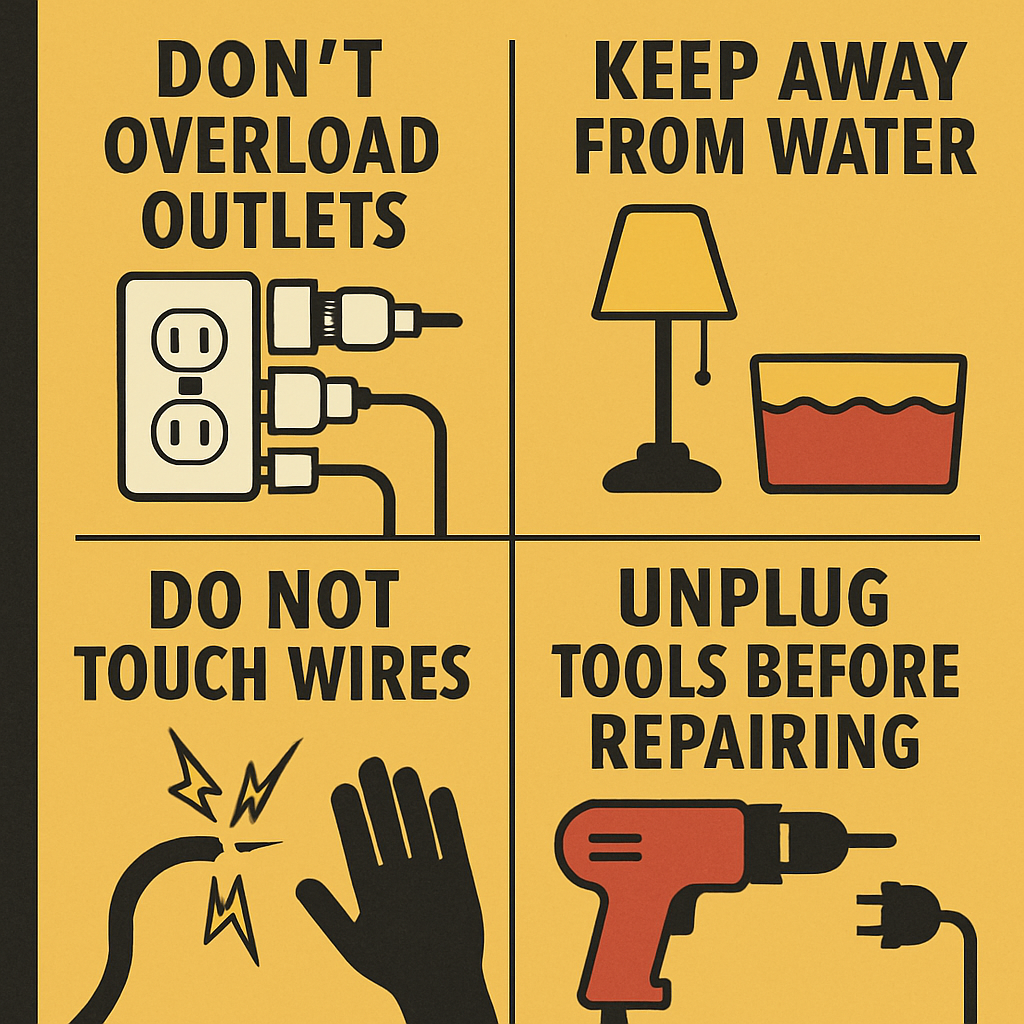
Never work with electricity in wet or damp conditions. Water is a conductor of electricity and can increase the risk of shock. Ensure that your workspace is dry and free from moisture, and consider using waterproof covers for any exposed electrical connections in high-risk areas. If you must work in an environment where water is present, take additional precautions such as using ground-fault circuit interrupters (GFCIs) to enhance safety.
Follow Wiring Diagrams
When working on complex electrical systems, always follow wiring diagrams. This ensures that connections are made correctly and safely. Wiring diagrams provide a visual representation of the system, allowing you to understand the relationships between various components. By following these diagrams meticulously, you can avoid common mistakes such as incorrect wiring, which can lead to shorts or system failures. Double-check your work against the diagram to ensure accuracy and safety.
Use a Voltage Tester
Before touching any wires or components, use a voltage tester to ensure that no electricity is flowing. This is a simple yet effective way to avoid electrical shocks. Voltage testers are easy to use and can quickly confirm whether a circuit is live, providing peace of mind before you begin handling wires. Regularly calibrate and test your voltage tester to ensure its accuracy and reliability.
Addressing Common Electrical Hazards
Understanding and addressing potential hazards can prevent accidents and ensure a safe working environment. Being proactive in identifying and mitigating these hazards is a critical component of safe electrical work. By staying vigilant and informed, you can prevent many common issues that lead to accidents and injuries.
Overloading Circuits
Avoid overloading circuits, as this can cause overheating and potentially lead to fires. Distribute electrical loads evenly and use appropriately rated circuit breakers. Overloading occurs when too many devices draw power from a single circuit, exceeding its capacity. To prevent this, calculate the total load on each circuit and make adjustments as necessary. If additional capacity is needed, consider installing additional circuits to distribute the load more evenly.
Handling Damaged Wires

by armina arhm (https://unsplash.com/@a__arhm)
Inspect wires for any signs of damage such as cracks or frays. Damaged wires can be dangerous and should be replaced immediately. Regular inspections can help identify potential issues before they become serious problems. Use proper techniques for cutting and stripping wires to prevent damage during installation or repair. When replacing damaged wires, ensure that the new wires are of the correct gauge and type for the application.
Identifying Faulty Equipment
Regularly inspect your electrical equipment for any signs of malfunction. Faulty equipment can lead to electrical failures and should be repaired or replaced promptly. Listen for unusual noises, look for signs of overheating, and check for any performance issues that could indicate a problem. Establish a routine maintenance schedule to ensure all equipment remains in good working condition and complies with safety standards.
Safety Tips for DIY Electrical Projects
If you’re tackling a DIY electrical project, keep these additional safety tips in mind. DIY projects can be rewarding but come with their own set of challenges and risks. By taking the time to understand these challenges and prepare accordingly, you can enjoy a successful and safe DIY experience.
Know Your Limits
Understand your skill level and limitations. For complex tasks, it’s always best to consult with or hire a professional electrician. Recognizing when a project is beyond your capabilities can prevent costly mistakes and ensure the work is done safely. Don’t hesitate to seek advice or supervision when needed, as this can provide valuable insights and enhance your learning experience.
Stay Informed
Keep up-to-date with the latest safety standards and practices in electrical work. This knowledge can help prevent accidents and ensure compliance with regulations. Subscribe to industry publications, attend workshops, and engage with online forums to stay informed about new developments and techniques. Continuous learning will enhance your skills and confidence, making your projects safer and more efficient.
Plan Your Work
Plan your electrical work carefully, considering all safety aspects. This includes having a clear understanding of the task, required tools, and safety precautions. A well-thought-out plan minimizes the risk of errors and accidents, ensuring that you can complete your project efficiently. Allocate sufficient time for each stage of the work, and avoid rushing to meet deadlines, as this often leads to mistakes and oversights.
Hiring Professional Electrical Services
For those who prefer to leave electrical work to the professionals, hiring a reliable service is key. Professional services provide peace of mind, knowing that experienced technicians are handling your electrical needs with expertise and care.
Choosing the Right Service Provider
When seeking professional electrical work in Singapore, consider services like Fixitpapa.sg, known for their expertise and commitment to safety. Research potential providers thoroughly, checking reviews and credentials to ensure they meet high standards of quality and reliability. A reputable service provider will offer transparent pricing, detailed quotes, and a comprehensive understanding of local regulations and codes.
Benefits of Professional Services
Professional electricians bring experience, knowledge, and tools to ensure that electrical work is completed safely and efficiently. They can handle complex projects and ensure compliance with local safety standards. Professionals are also equipped to diagnose and address issues quickly, minimizing downtime and potential disruptions. By hiring a professional, you can focus on other priorities, knowing that your electrical work is in capable hands.
Conclusion
Electrical work can be safe and effective if approached with the right knowledge and precautions. By understanding the basics, preparing adequately, and following safe practices, you can minimize risks and ensure successful electrical projects. Whether you’re a DIY enthusiast or prefer hiring professionals, safety should always be your top priority. Remember, when in doubt, consult or hire a professional to handle the job safely and effectively. The investment in safety not only protects you but also ensures the longevity and reliability of your electrical systems.

Leave a Reply
You must be logged in to post a comment.