
If you are looking for a condo handyman Singapore service, the job is usually not just about fixing something fast. Condo work also has to fit building rules, access controls, and management expectations. This blog will walk you through what repairs condo homeowners usually book, what may need MCST approval first, and where small maintenance ends and regulated works begin.
Why condo handyman jobs are different from other home repairs
A handyman job inside a condo unit may look similar to the same job in an HDB flat or landed house. A loose hinge is still a loose hinge. A leaking tap is still a leaking tap. The difference is the working environment around the repair. Condo owners often need to think about lift protection, work timing, contractor registration, noise restrictions, common property rules, and whether the job affects anything beyond the unit interior. BCA’s condo owner guidance on renovations and common property makes that distinction clear. Alterations to features fixed on the external building and additions that affect the appearance of the building require MCST permission and, where relevant, approval from the relevant authorities.
That is why the right starting point for many condo repair jobs is not just a generic handyman page. It is a service scope that fits small upgrades, repair works, and interior touch-ups without pretending every job is a renovation. For Fix It Papa, that is minor renovation and home improvement in Singapore, which covers the kind of everyday interior repair and upgrade work condo owners usually need.
What condo homeowners usually book a handyman for
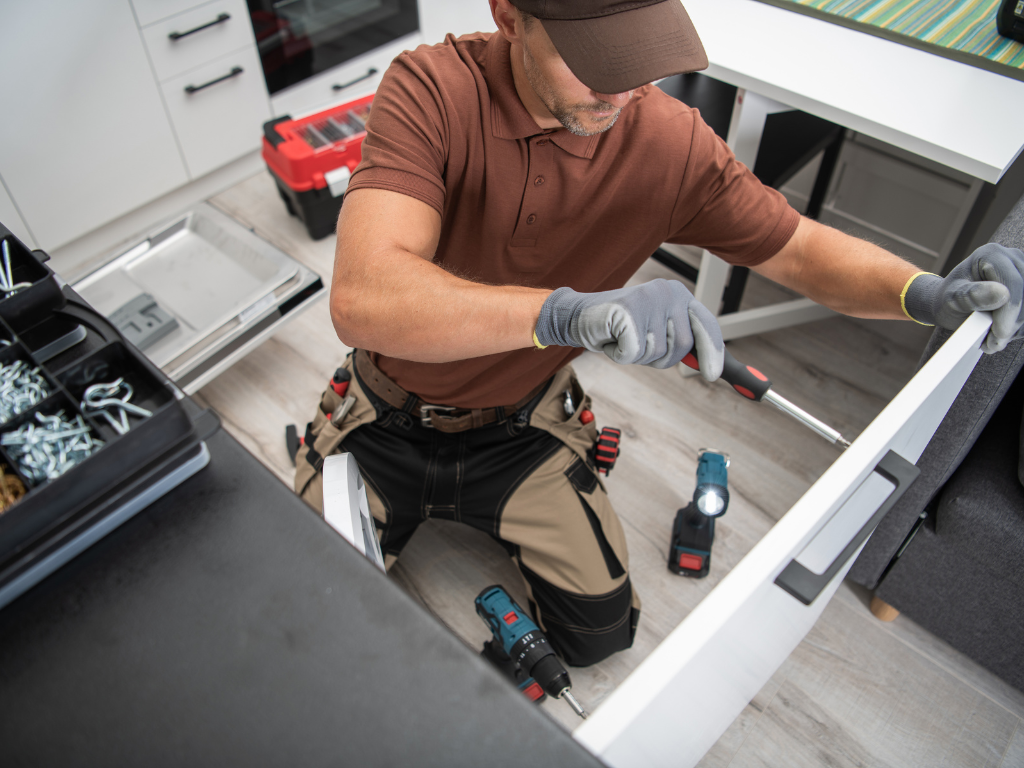
Most condo handyman requests fall into one of two categories. The first is routine interior maintenance. The second is small improvement work that stays within the unit and does not alter common property or the external appearance of the development.
Wall mounting and fixture installation
One of the most common condo handyman requests is wall mounting. Homeowners book help for curtain rods, mirrors, artwork, shelves, TV brackets, and bathroom accessories. These jobs sound simple, but in condos they often need more care because owners are more sensitive to wall finishes, built-ins, concealed services, and the final visual result.
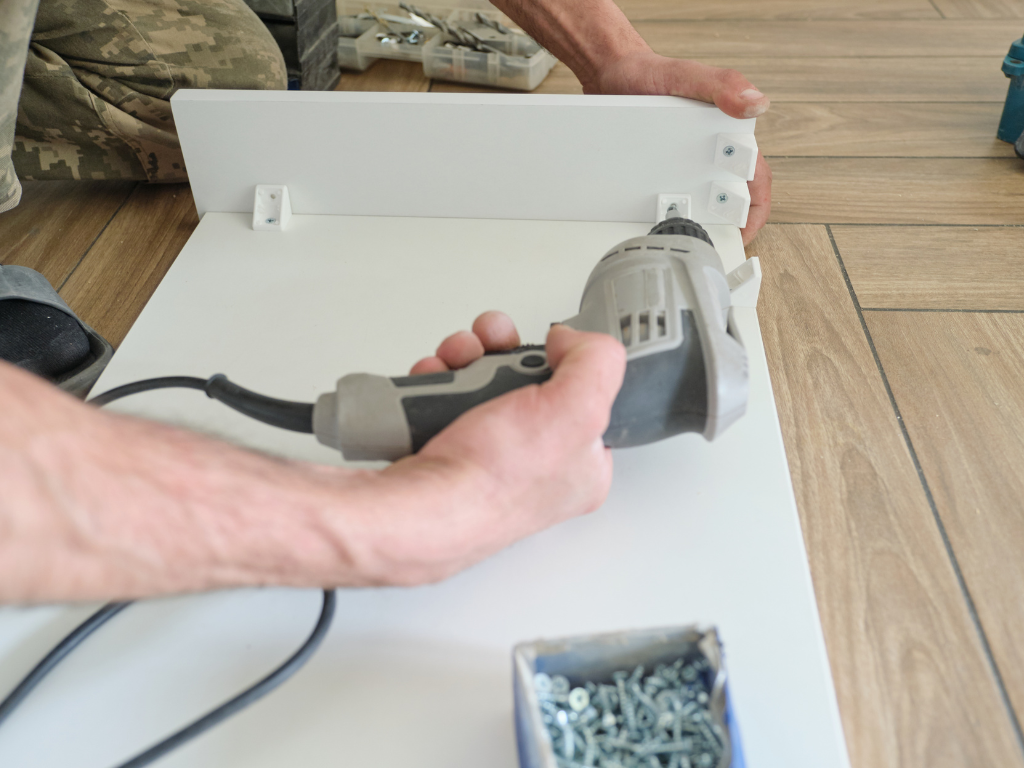
This is where general handyman services in Singapore becomes directly relevant. Fix It Papa’s live page already shows common condo-friendly jobs such as drilling, mirror hanging, picture hanging, curtain rod installation, and TV wall mounting. Those are exactly the sorts of repairs and installations many condo owners prefer to bundle into one visit.
Light replacement and simple electrical fittings
Condo owners also frequently book handyman-style support for replacing light fittings, checking loose switches, or installing standard lights where the point already exists. The job tends to stay straightforward when it is like-for-like replacement inside the unit and does not require broader rewiring or changes to the electrical layout.
Minor plumbing repairs
Condo homeowners also book handyman or repair teams for small plumbing faults that sit clearly within the unit. That includes leaking taps, under-sink leaks, faulty bidet sprays, toilet flush problems, or small choke issues at the fixture side. These are common because the inconvenience is immediate and the risk of affecting the unit below can be higher if the issue is left alone.
Where the fault is clearly plumbing-related, the cleaner internal paths are water leak repair in Singapore, toilet bowl repair and installation, and drain choke and clog clearing. These are the kinds of practical unit-level issues condo owners want fixed before they become neighbour-facing problems.
Minor carpentry and furniture repair
Another common condo maintenance request is small carpentry work. Cabinet alignment, loose hinges, drawer runners, swollen laminate edges, wardrobe door adjustment, and furniture repair come up often in lived-in units and rental turnovers. This work usually stays well within the unit and does not trigger MCST concerns unless it expands into larger renovation scope.
Painting and touch-up works
Condo owners also book handyman teams for repainting a room, patching drill holes, touching up chipped walls, or refreshing worn surfaces before moving in or leasing out the unit. This usually stays manageable when it is interior maintenance rather than hacking, layout change, or wet-work alteration.

What may need MCST approval first
This is the part many homeowners underestimate. In condos, not every job needs MCST approval, but the moment the work affects common property, building appearance, or estate rules, the question changes from “Can a handyman do this?” to “Can this be done without prior approval?”
Works affecting external appearance
BCA’s condo owner guidance is direct on this point. Alterations to features fixed on the external building, such as windows and walls, are not allowed without MCST approval and any relevant government approvals. Additions that affect the appearance of the estate also need MCST permission. That means anything involving external-facing structures, visible additions, coverings, grilles, or facade-facing modifications should never be treated as a routine handyman job.
Renovation, alteration, or addition works
Many condo MCSTs operate through their own by-laws and renovation forms. A recent published condo by-law pack and renovation form from live Singapore condo sources shows the pattern clearly: owners who intend to carry out renovation, alteration, or addition works must seek management approval, submit forms and drawings, and often place a renovation deposit before work starts. The same materials also restrict external appearance changes and set conditions for approved work types and work duration.
This matters because the phrase “small job” can be misleading. A homeowner may think a bathroom change or enclosed area add-on is minor because the physical work is limited. The MCST may still classify it under alteration works.
Wet area and waterproofing-sensitive works
Condo renovation documents commonly treat bathrooms, kitchens, yards, balconies, roof terraces, and similar wet areas with more caution because works there may damage waterproofing systems or create future leakage disputes. That is why replacing a tap or toilet mechanism is usually very different from altering finishes, hacking, or doing wet-area works that could affect waterproofing performance.
Works outside permitted timing or contractor process
Even if the repair itself is allowed, management rules often still govern when and how it can be done. Condo by-laws commonly require prior submission, approved contractor details, specified working hours, and compliance with only the scope stated in the approval letter. A recent Singapore condominium by-laws and house rules document reflects this operating reality by setting controls around repair and renovation conduct, common property use, and management determinations. So the question is not only whether the job needs approval in principle. It is also whether the job triggers booking, access, deposit, or scheduling requirements.
What usually does not need full MCST-style renovation approval
There is an important practical line here. Most straightforward interior maintenance inside the unit, with no effect on common property, external appearance, structure, or building systems, is usually treated differently from renovation or alteration works. In real condo living, this is where a handyman service is most useful.
A like-for-like light replacement inside the unit. Rehanging curtains. Repairing a cabinet hinge. Fixing a leaking tap. Replacing a toilet flush mechanism. Touching up paint. Repairing loose furniture. These are the jobs condo homeowners usually book because they restore normal living conditions without changing the building fabric in a way management would typically treat as formal alteration.
That said, condo by-laws are not identical across developments. Some MCSTs require notice or approval for more categories than others, especially where noise, contractor entry, deposits, or wet works are involved. The safe approach is simple: if the job changes appearance beyond the unit interior, touches wet-area construction, or looks more like alteration than maintenance, check with management before booking. BCA’s condo owner guidance and live condo by-law examples both support that cautious approach.
How to tell if your condo job is maintenance or alteration
The easiest way to think about it is function.
If the job restores an existing item to working condition inside your unit, it usually sits closer to maintenance. If the job adds, removes, extends, encloses, relocates, hacks, or changes something in a way that affects building appearance, shared systems, wet-area integrity, or estate rules, it moves closer to alteration.
A repair team should be honest about that distinction. Good service is not just doing the work. It is also knowing when a customer should pause and check management requirements first.
What condo owners should prepare before asking for a quote
A condo handyman quotation becomes much more accurate when the homeowner gives the right context upfront.
Start with clear photos. Show the damaged item close up, then the surrounding area wide angle. Mention whether the unit is owner-occupied, vacant, or tenanted. State whether there are management booking rules, work-hour restrictions, or access registration requirements. If the item is a replacement job, mention whether you are supplying the fixture or whether sourcing is needed.
This matters because condo home maintenance is often shaped by access and process as much as by the repair itself. A straightforward wall mount in a landed house and the same wall mount in a condo tower do not always carry the same working conditions.
Why Fix It Papa fits this type of condo work
Fix It Papa is positioned around practical household repair and home improvement work, which suits how condo owners actually buy services. Most are not looking for a large renovation main contractor just to fix a light, mount a mirror, patch a wall, or sort out a cabinet issue. They want a team that can handle the repair properly, understand condo access realities, and flag when a job is drifting into approval territory.
That is where Fix It Papa’s mix of general handyman services, minor renovation and home improvement, electrical repair services, painting services, and plumbing repair pages creates a practical advantage. The company’s positioning matches the real pattern of condo unit maintenance: many small issues, often cross-trade, usually urgent enough to fix, but not always large enough to justify a full renovation workflow.
Conclusion
Condo handyman work in Singapore is usually about practical interior maintenance, but condo rules can change the job quickly once external appearance, wet works, alterations, or management procedures come into play.
If you need help inside your condo unit, contact Fix It Papa with photos and the job details first so the repair can be scoped properly and any MCST-related concerns can be flagged early.
FAQs About Condo Handyman Singapore
What repairs do condo owners usually book a handyman for?
Most condo owners book help for wall mounting, light replacement, minor plumbing repairs, furniture or cabinet fixes, and small paint touch-ups. These are common interior maintenance jobs that usually stay within the unit.
Do all condo repairs need MCST approval first?
No. Routine interior maintenance usually does not sit in the same category as alteration works. Approval becomes more important when the job affects external appearance, wet areas, common property, or estate rules.
Can I replace a light or tap in my condo without approval?
Often yes, if it is a straightforward interior replacement and does not involve broader alteration work. Management rules still vary by condo, especially for contractor access and working hours.
Why should I mention MCST rules when asking for a quote?
Because access timing, contractor registration, deposits, and approved work scope can affect how the repair is scheduled and priced. Condo jobs are not shaped by repair scope alone.
What is the safest way to know if my condo repair needs approval?
If the job affects building appearance, wet-area construction, common property, or looks more like alteration than maintenance, check with your MCST first. That is the cleanest way to avoid delays or non-compliance.
Leave a Reply
You must be logged in to post a comment.